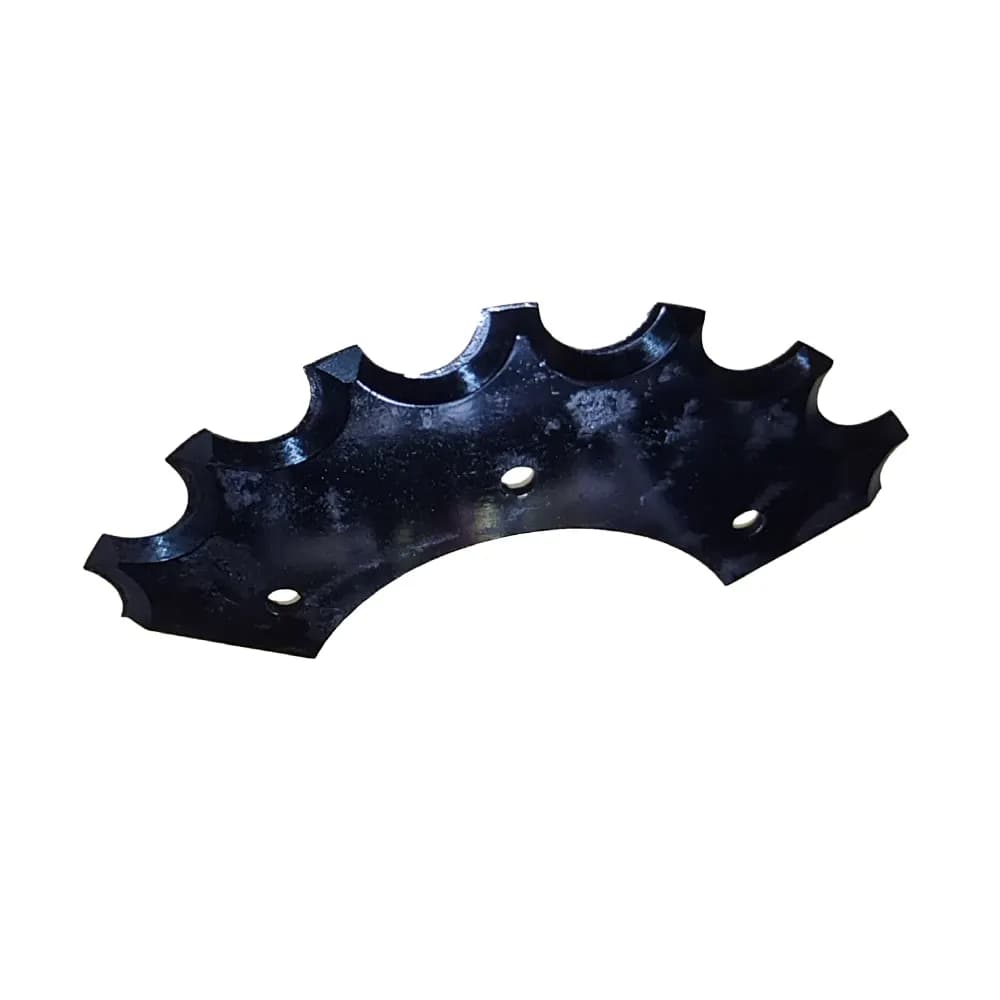


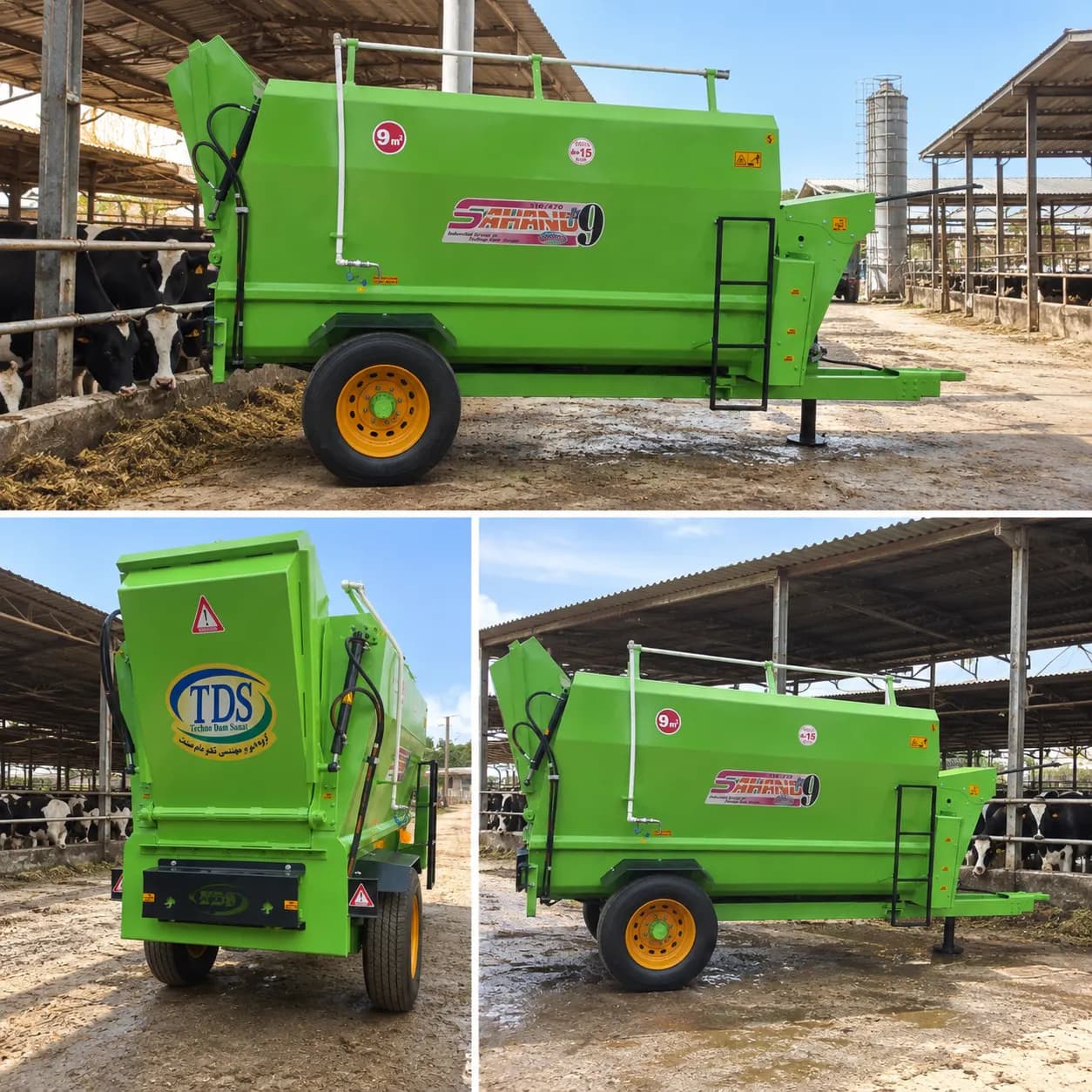
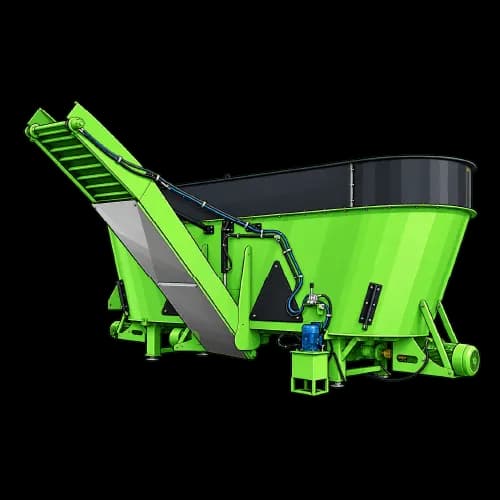
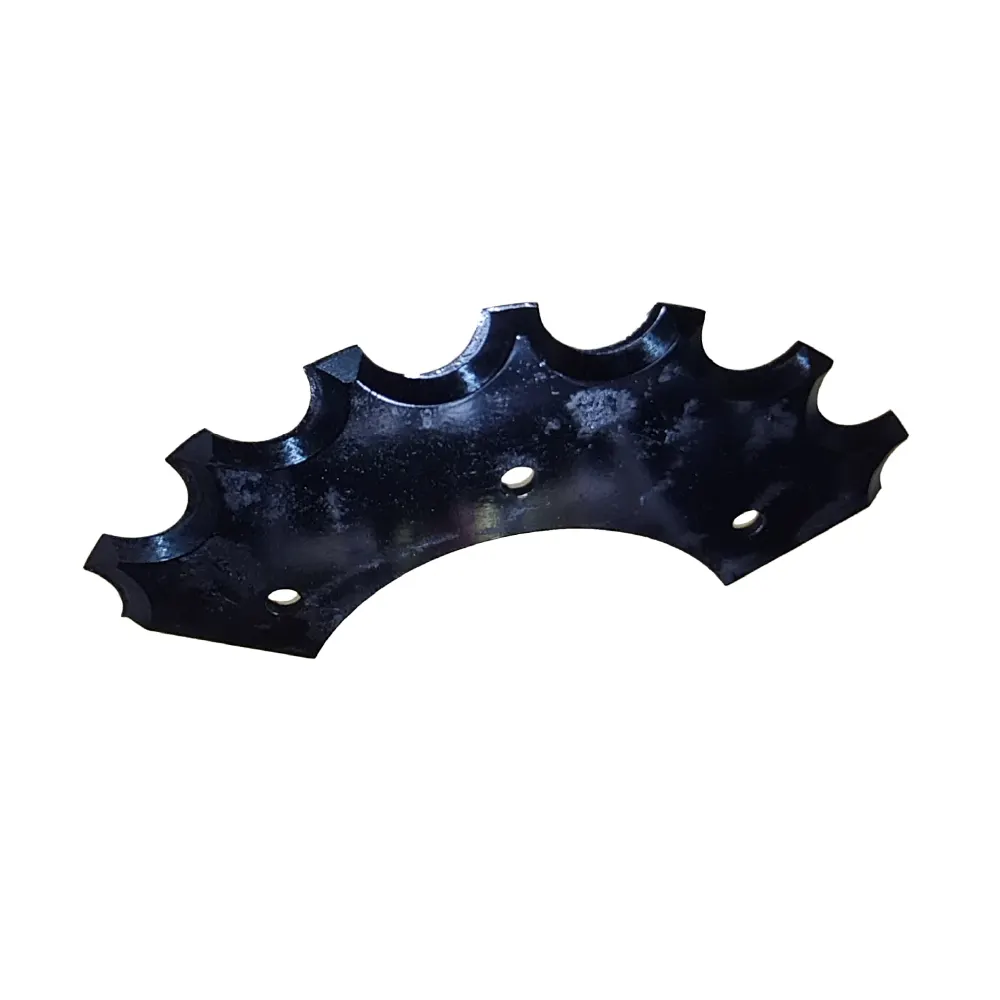
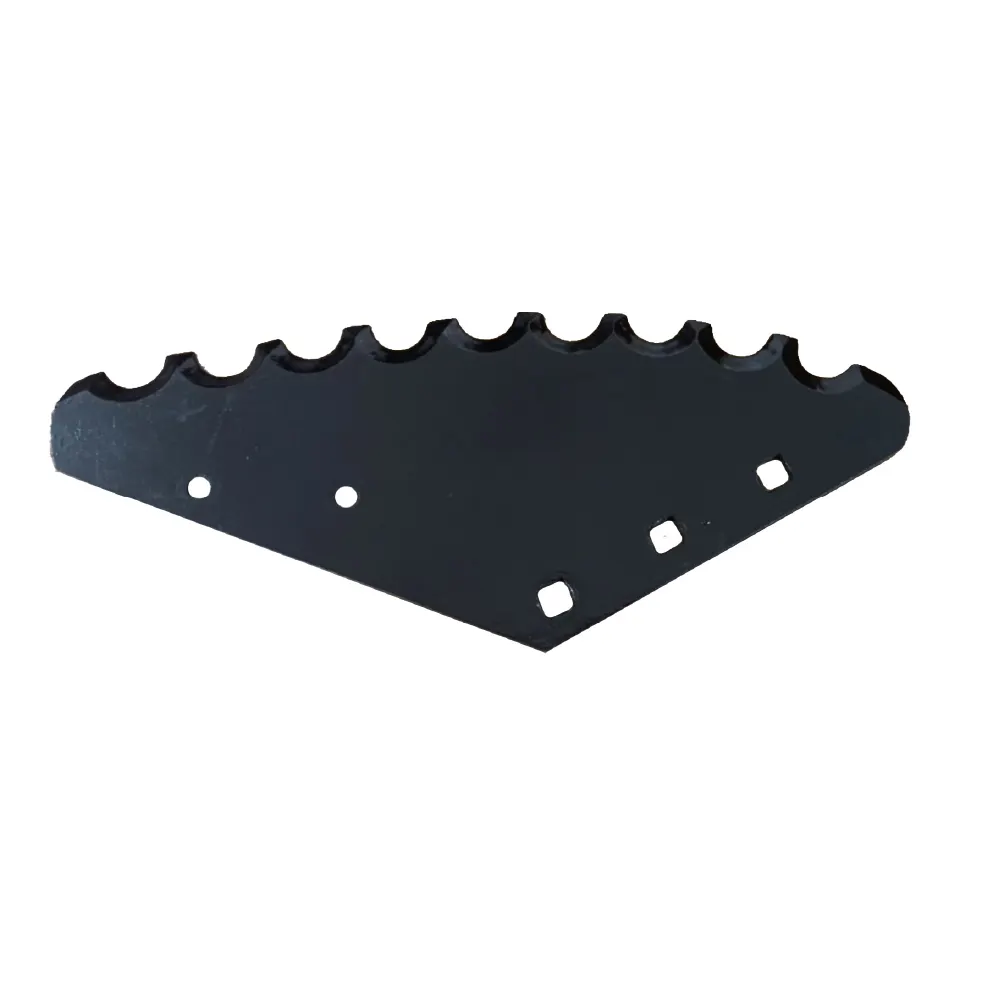
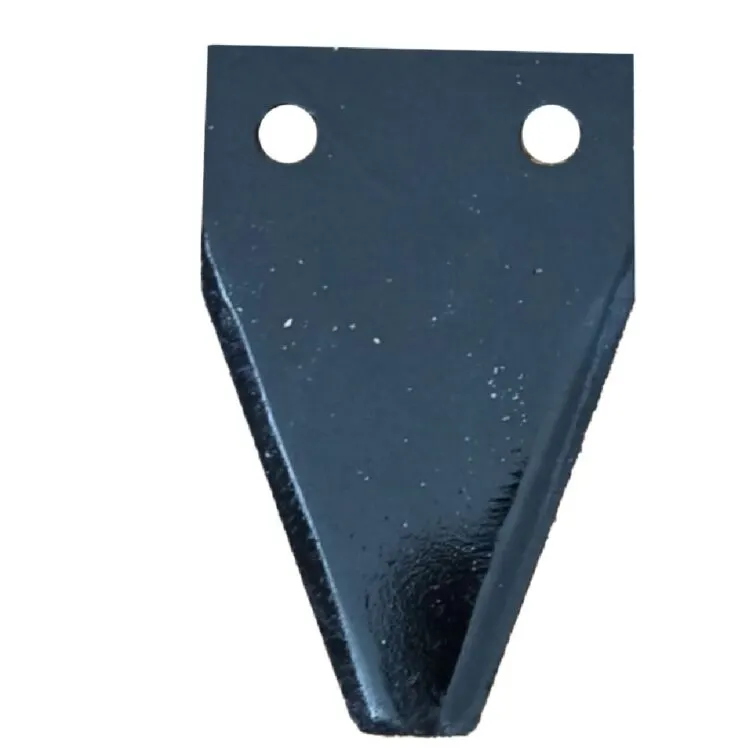
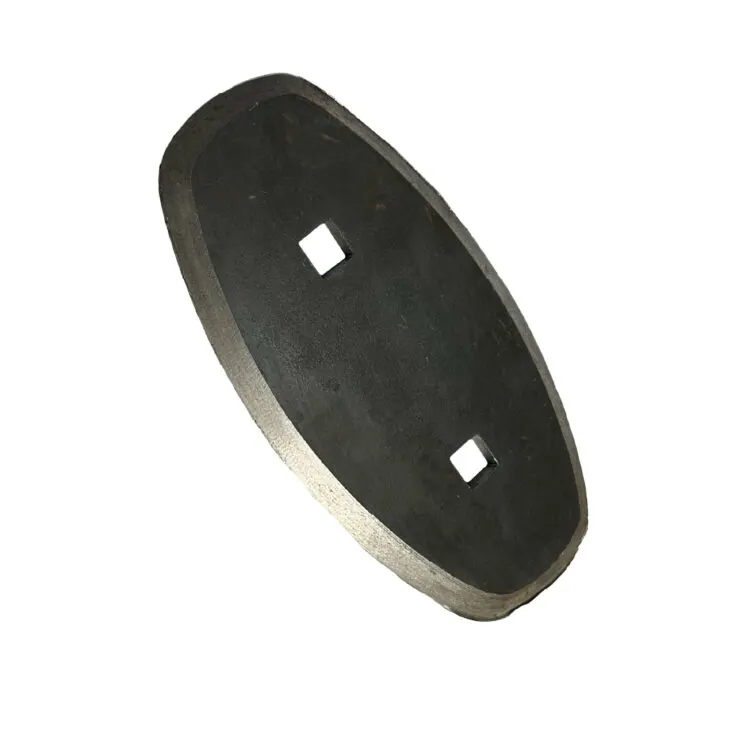
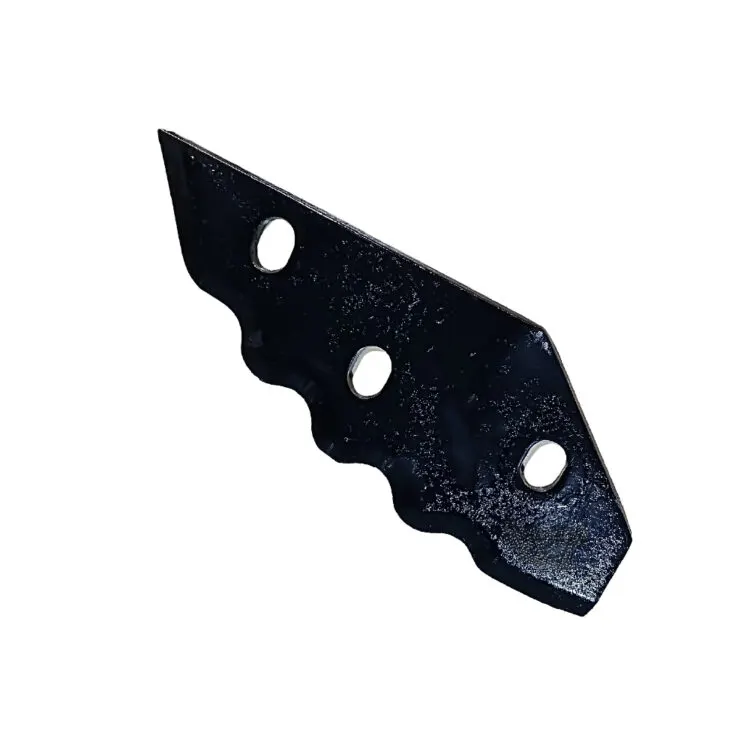
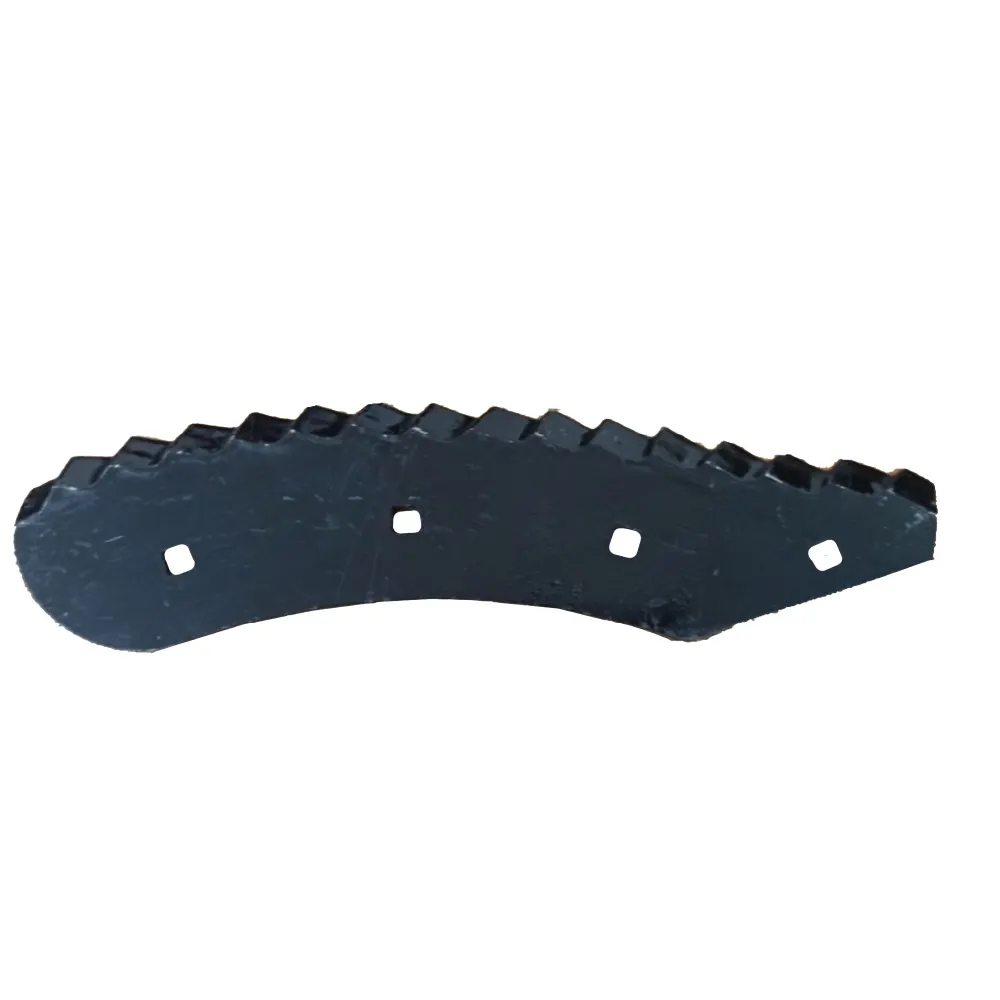
Feeder Mixer Toothed Blade has a serrated edge, which allows it to better grip and cut long fibers. In rations with a high proportion of dry alfalfa or packaged forage, it usually shortens the mixing time.
The choice of blade type should match your ration composition. The teeth are effective against long fibers, but in predominantly silage rations, they do not create a noticeable difference compared to the crescent blade.
At a glance
- Serrated edge for better engagement with long fibers and dry alfalfa.
- In rations high in dry forage, it usually shortens the mixing time.
- Replacement should be done as a complete and symmetrical set.
- After replacement, the optimal mixing time should be readjusted with a particle separator sieve.
Technical specifications
| Blade type | Toothed (serrated edge) |
|---|---|
| Application | Vertical feeder mixer |
| Cutting pattern | High engagement with long fibers |
| Suitable for | Rations with a high proportion of alfalfa and dry forage |
| Replacement | As a complete and symmetrical set |
| Brand | Techno Dam San'at (TDS) |
What unit is it suitable for?
This blade is suitable for units that directly feed long dry alfalfa or packaged forage into the mixer and require more effective shredding.
However, shredding forage before entering the mixer still shortens mixing time and better preserves the physical structure of the ration. Before placing an order, send the model and year of manufacture of the device, the dimensions of the current part, and a clear photo of the installation location to the technical expert. The visual similarity of parts from different models is the most common cause of incorrect purchases in this field.
Features and advantages of construction
- Toothed edge for more effective engagement with long fibers.
- Reduction of mixing time in rations with a high proportion of dry forage.
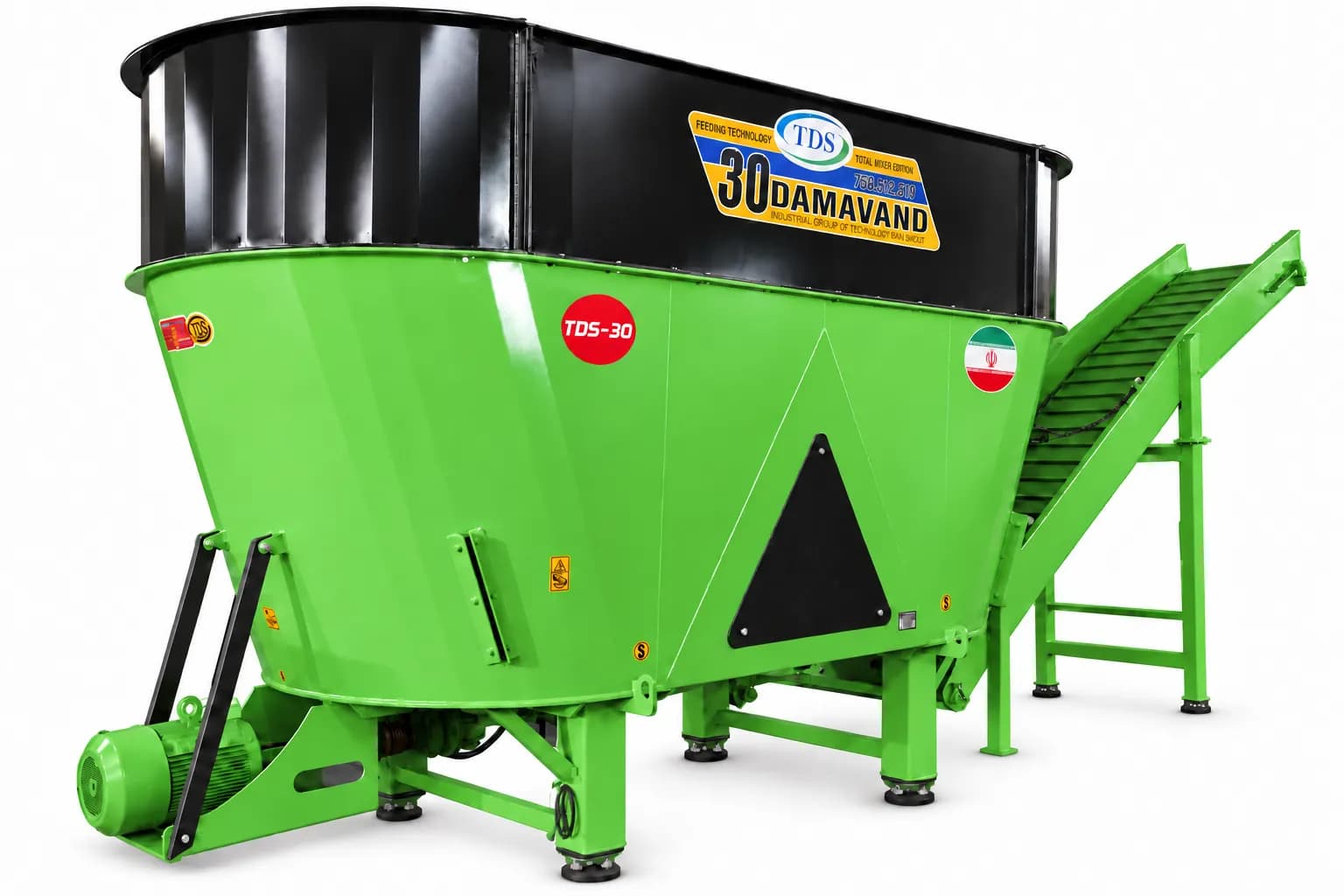
- Compatible with common models of vertical feeder mixers.
- Supplied as a complete set along with the option to provide connecting bolts and nuts.
Check these items before purchasing
- Determine the proportion of long dry forage in your ration.
- Measure the dimensions, thickness, and hole spacing of the current blade.
- Record the model and year of manufacture of the device.
- Specify the number of blades in the complete set.
- If changing the blade type, consider the mixing time readjustment program.
Related products
Buying guide and related articles
- Types of Feeder Mixer Blades; Crescent, Hatchet, and Toothed
- When should we replace the mixer feeder blade?
- How long should TMR mixing take? Under-mixing and over-mixing
- Particle size of animal feed; the role of the grinder and mixer feeder
Frequently Asked Questions
What diet is the conical blade suitable for?
For diets with a high proportion of dried alfalfa and long-fiber forage that require more engagement with fibers.
Is it compatible with a crescent blade?
Not recommended without the manufacturer's technical advice; mixing different types can disrupt the cutting pattern and balance of the tank.
What is the lifespan of this blade?
It depends on the type of forage, the presence of dirt and abrasive particles, and daily operating hours. The practical criterion is the decline in cutting quality, not the passage of time.
Can it be sharpened?
It is generally not recommended for hardened blades, as sharpening reduces the thickness and strength of the blade.
What is needed to place an order?
Dimensions and thickness of the current blade, hole spacing, machine model, and a clear photo of the installation location.
To choose the appropriate blade type for your diet and machine model, contact our technical experts.