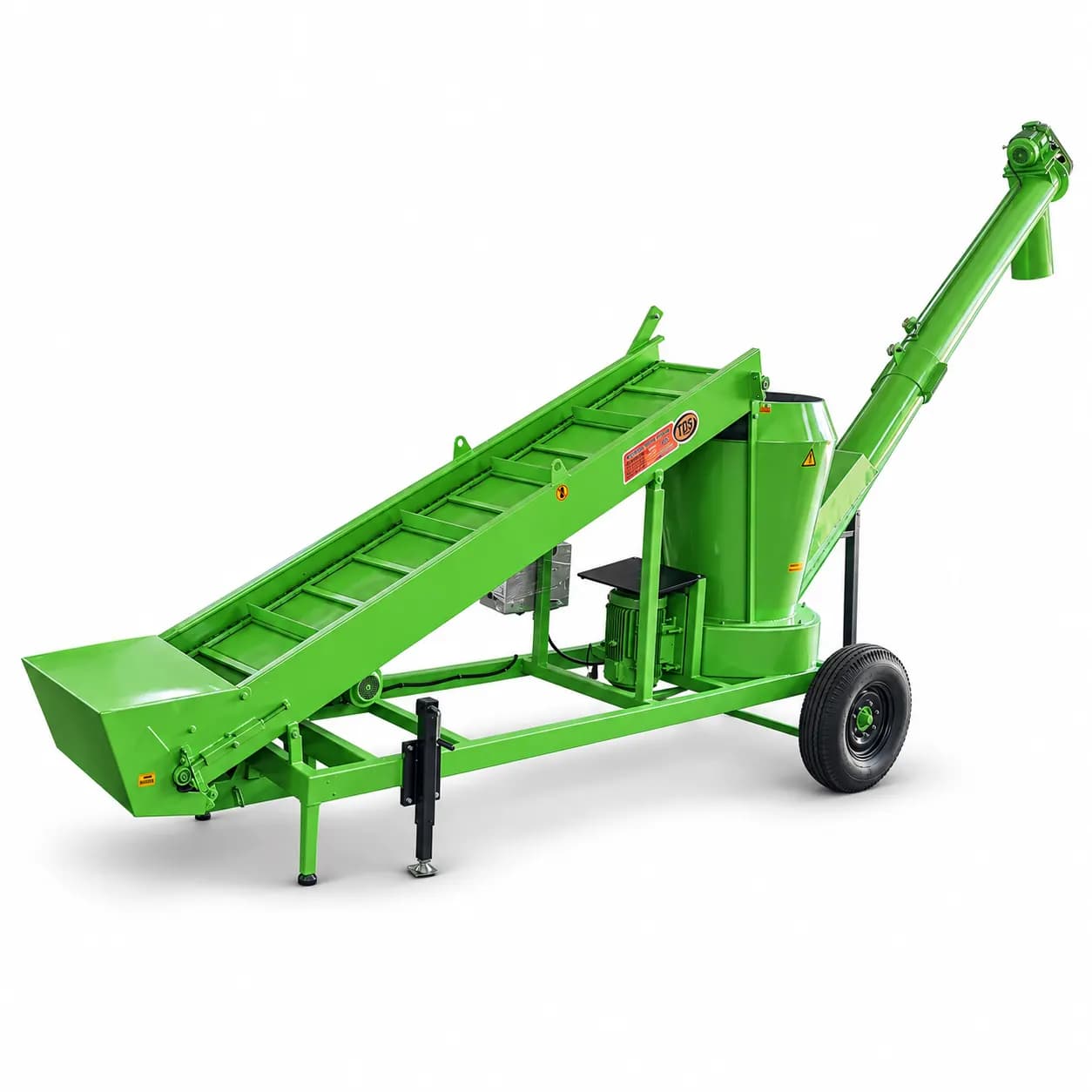


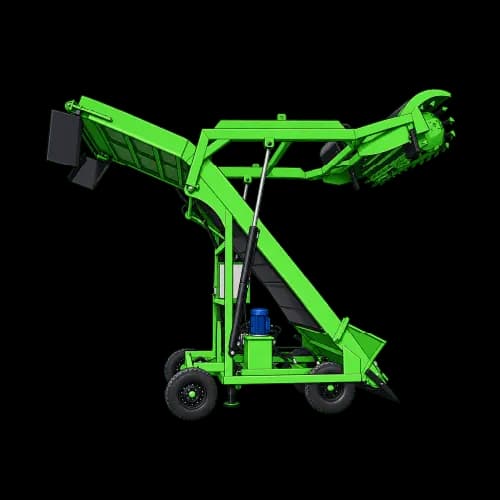
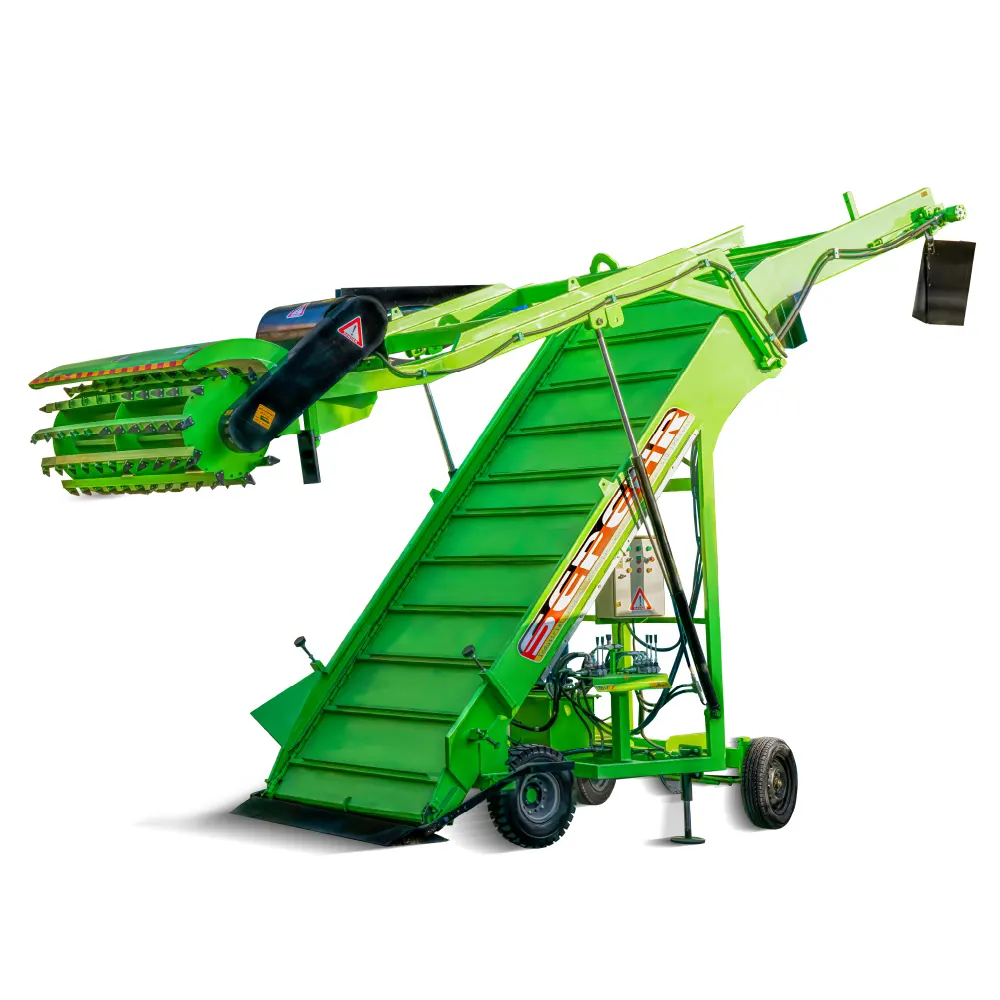
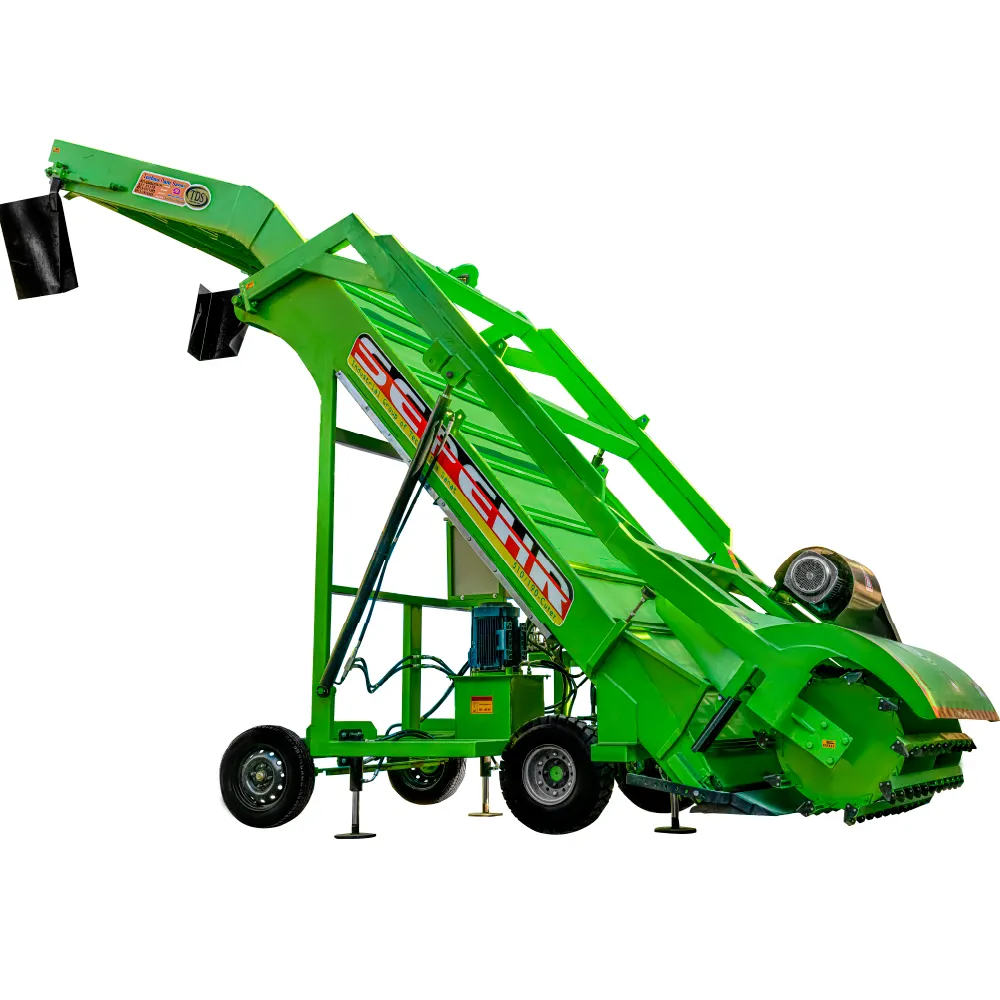
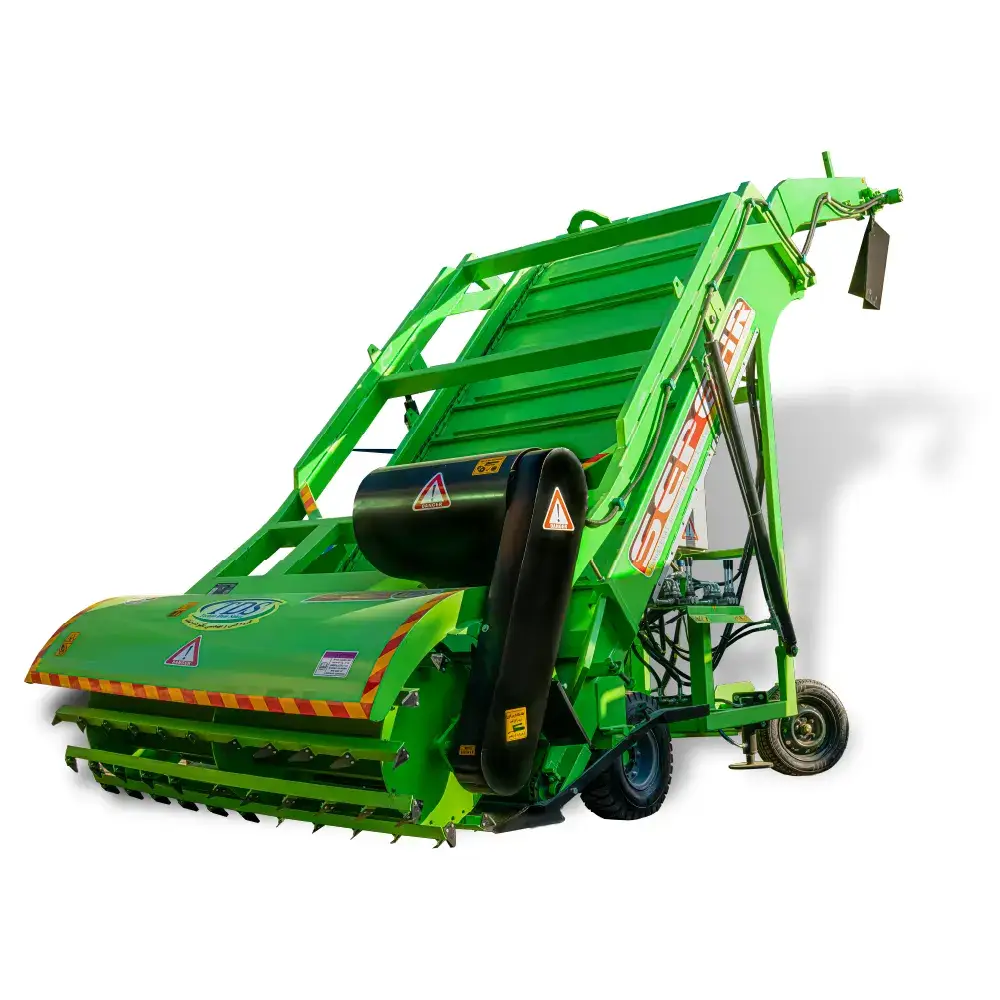
Self-Propelled Silage Cutter separates silage with a clean cut from the face of the silo, unlike a loader that digs into the mass. This simple difference has a direct effect on waste and the temperature of the silo face.
Every time the structure of the silage mass is disrupted, open pores are created, allowing air to penetrate deeply. Air means yeast activity, heating, and loss of feed energy.
At a glance
- The smooth cutting surface significantly reduces the silage's contact area with air.
- The temperature of the silo face is the best indicator for evaluating your harvesting method.
- Capacity must be coordinated with the daily harvesting volume and the height of the face.
- A dull blade turns cutting into digging and neutralizes the advantage of the machine.
Technical Specifications
| Product Type | Self-Propelled Silage Cutter |
|---|---|
| Application | Daily harvesting from the silo face |
| Main Advantage | Smooth cutting surface and reduced air penetration |
| Consumable Part | Silage Cutter Blade |
| Selection Criteria | Daily harvesting volume and height of the face |
| Brand | Techno Dam Sanat (TDS) |
What units is it suitable for?
This machine is suitable for units where silage constitutes a significant portion of their diet and where heating of the silo face is an issue in warm climates.
The highest efficiency is achieved when harvesting is done immediately before mixing; storing harvested silage for hours diminishes part of the clean cut advantage.
Features and Advantages of Construction
- Clean cut of silage while preserving the structure of the remaining mass.
- Reduction of heating at the face and surface waste of silage.
- Replaceable blades as consumable parts.
- Self-propelled design for maneuvering in the silo area.
- Supply of spare parts and service by Techno Dam Sanat.
Check these before purchasing
- Determine the daily silage consumption volume and the number of harvesting shifts.
- Measure the height and width of your silo face.
- Check the maneuvering space in front of the silo and the floor conditions of the area.
- Determine the allowable time window for harvesting before mixing.
- Consider the inspection and blade replacement schedule from the beginning.
Related Products
Buying Guide and Related Articles
- What is a Silage Cutter and what role does it play in silage management?
- Managing the Silo Face; Daily Harvesting and Reducing Spoilage
- Silage Management from Silo to Trough; Complete Guide
- Particle size of animal feed; the role of the grinder and mixer feeder
Frequently Asked Questions
How much waste does a silage cutter reduce?
The exact amount depends on climatic conditions, silo density, and face management; its effect on preventing the warming of the face and reducing surface spoilage is clearly observable.
Is it necessary for all units?
It is more justified in units with high silage consumption and warm climates. In small units with rapid advancement, good face management may be sufficient.
What is the difference between it and a loader?
The silage cutter slices the silage and leaves a smooth surface; the loader turns the mass and creates open pores through which air can penetrate.
How do I choose the appropriate capacity?
Based on the volume of silage consumed per session and the allowable harvesting time window before mixing.
What is an important safety tip?
Face collapse in silos is one of the most dangerous incidents in livestock farming; the height of the face should not exceed the safe reach of the equipment, and no one should stand at the edge of the high face.
To select a capacity suitable for the dimensions of your silo and your daily consumption volume, contact our experts.