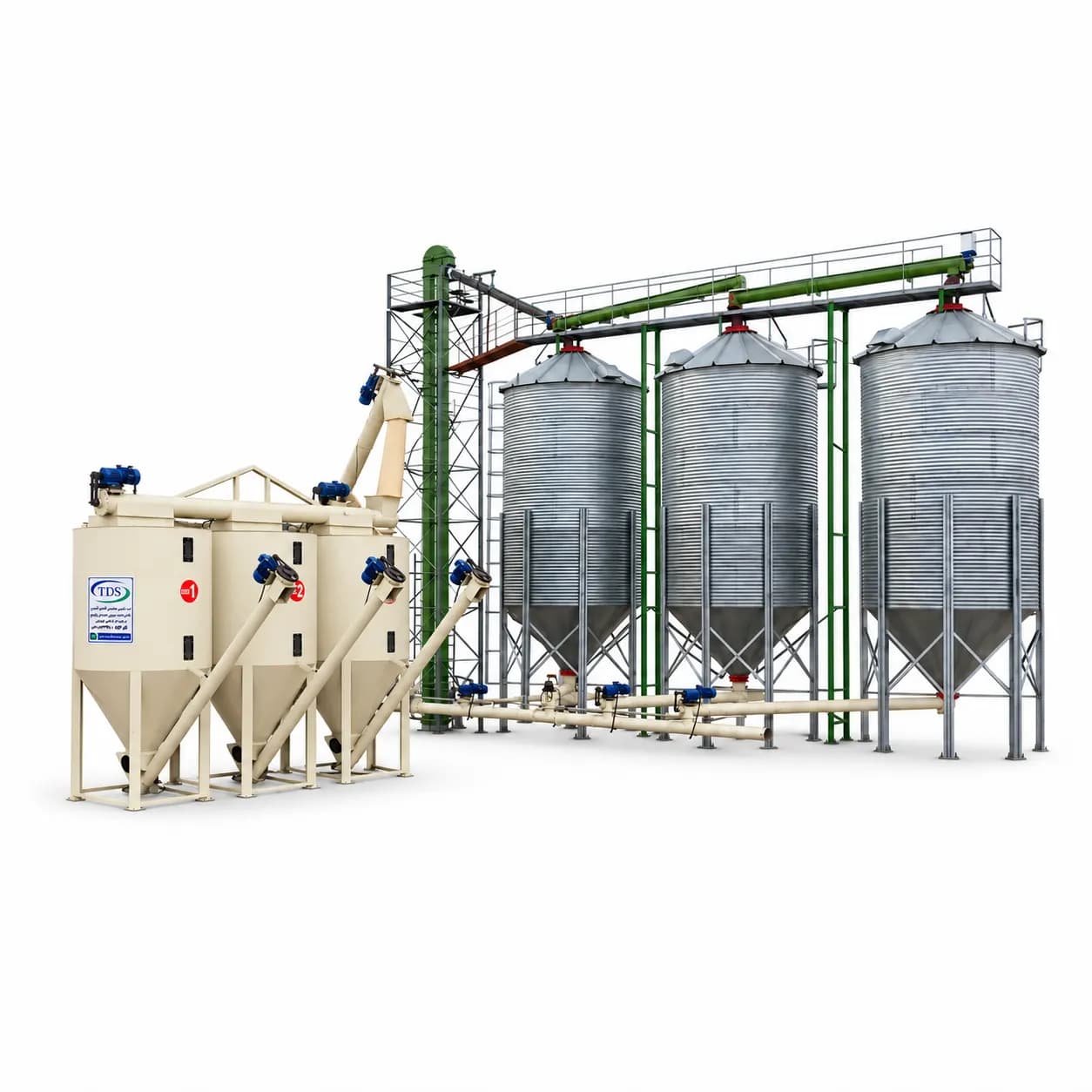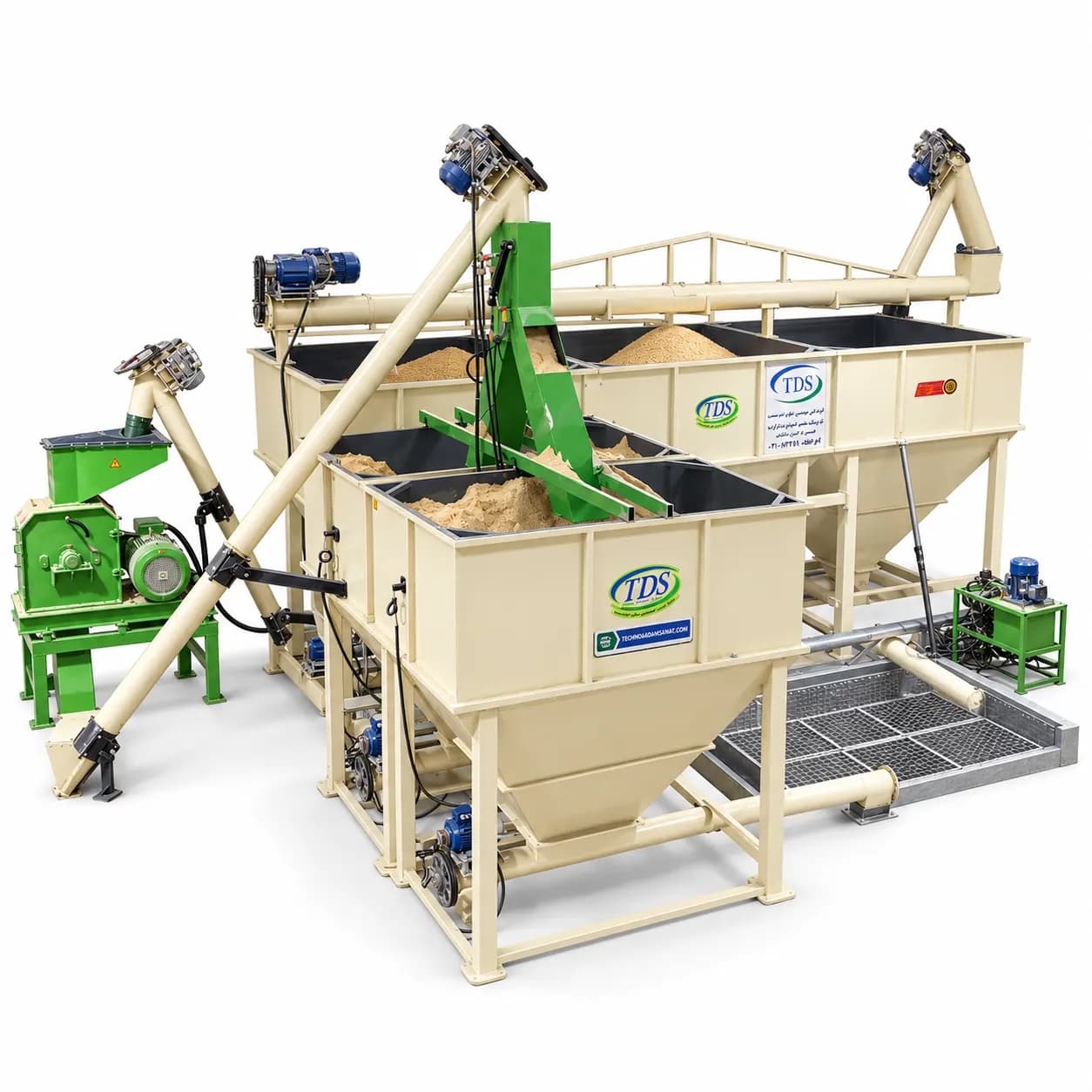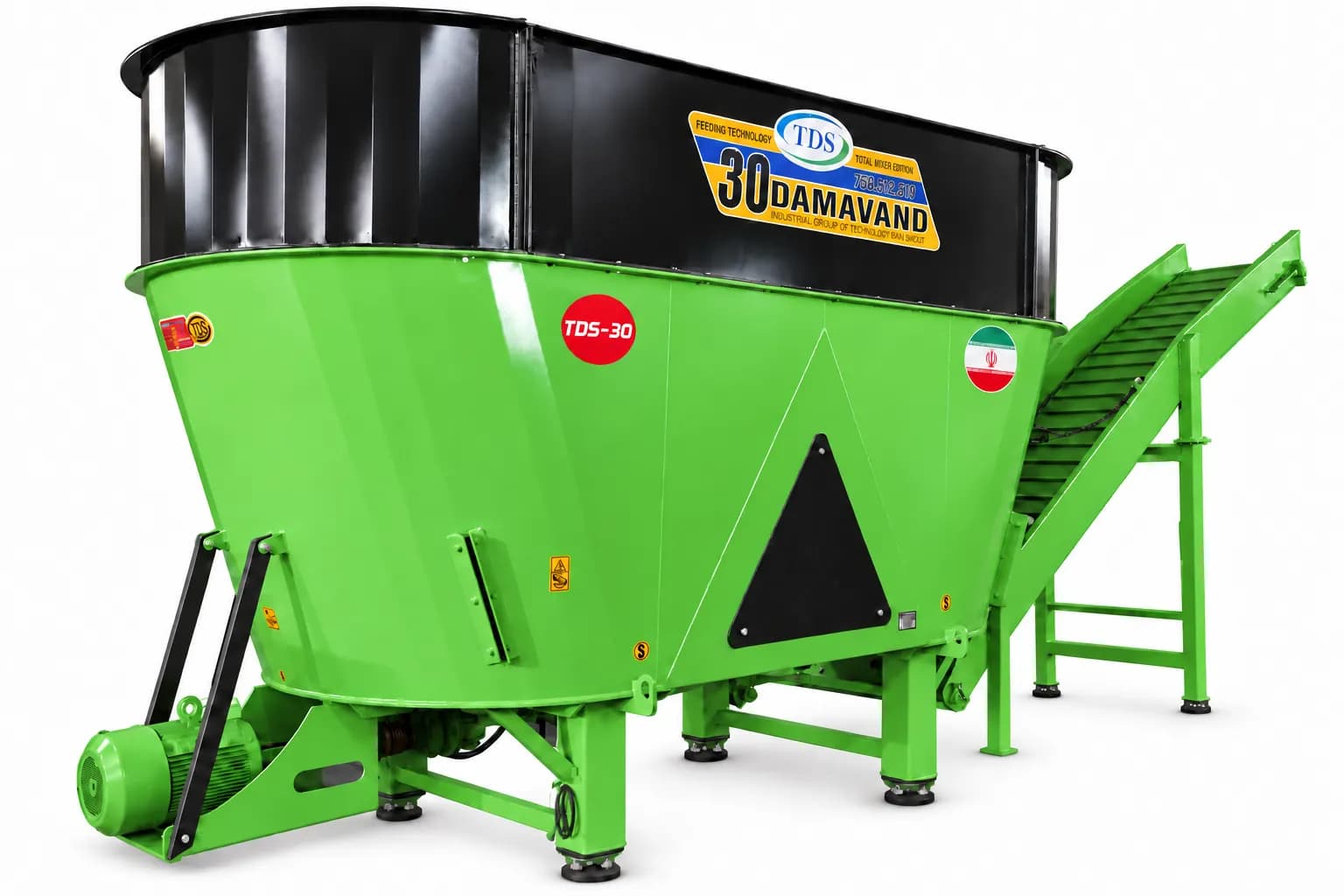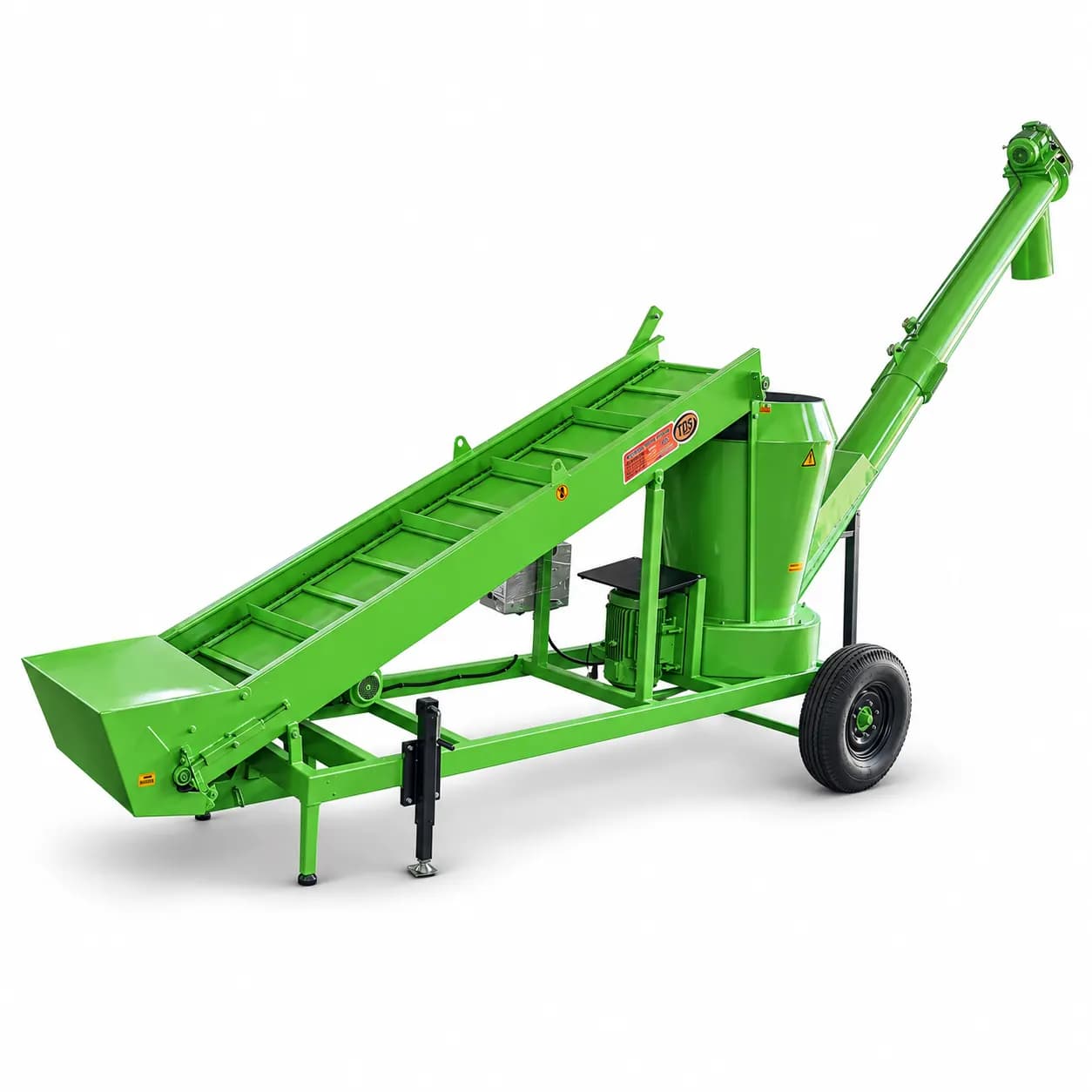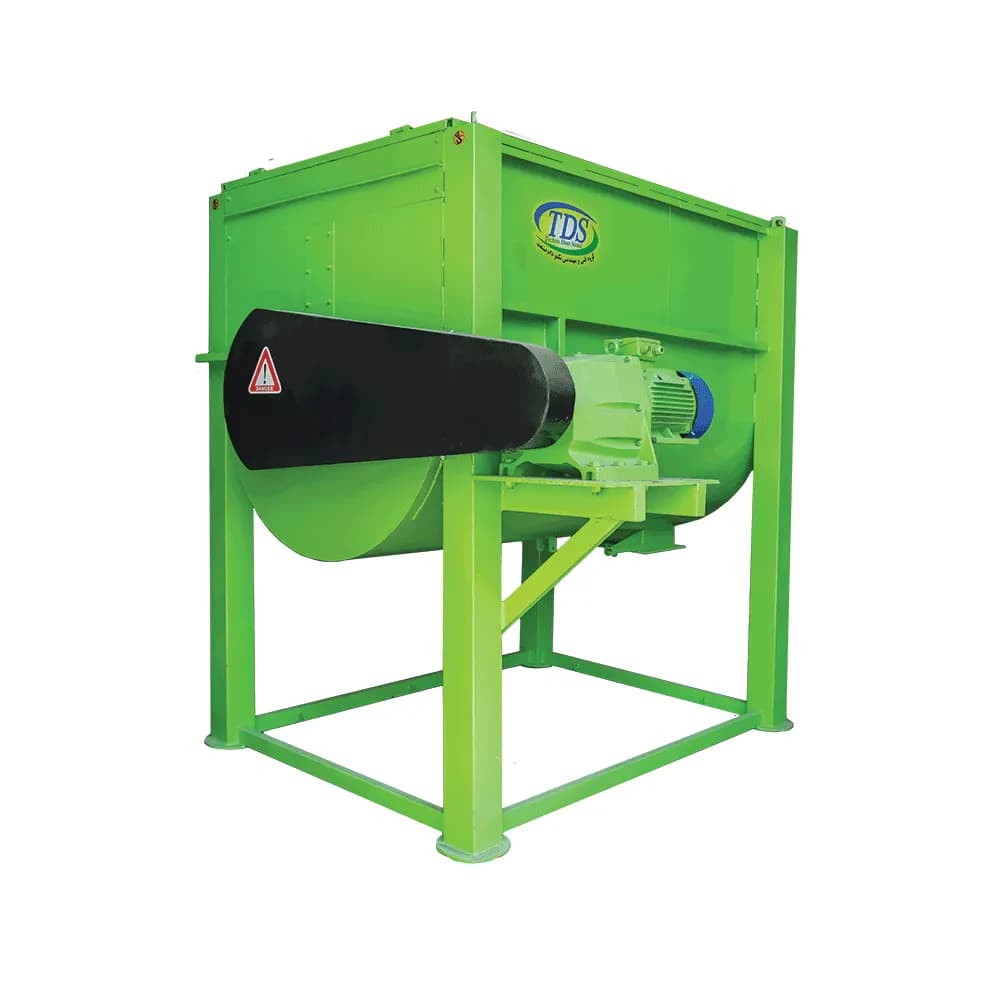


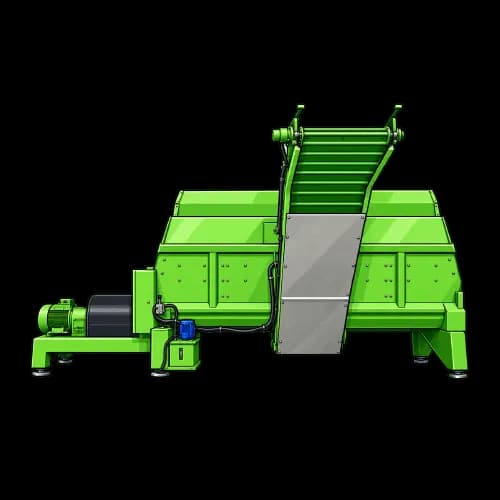
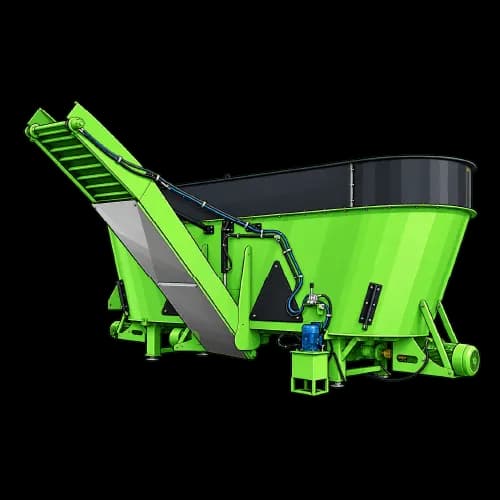
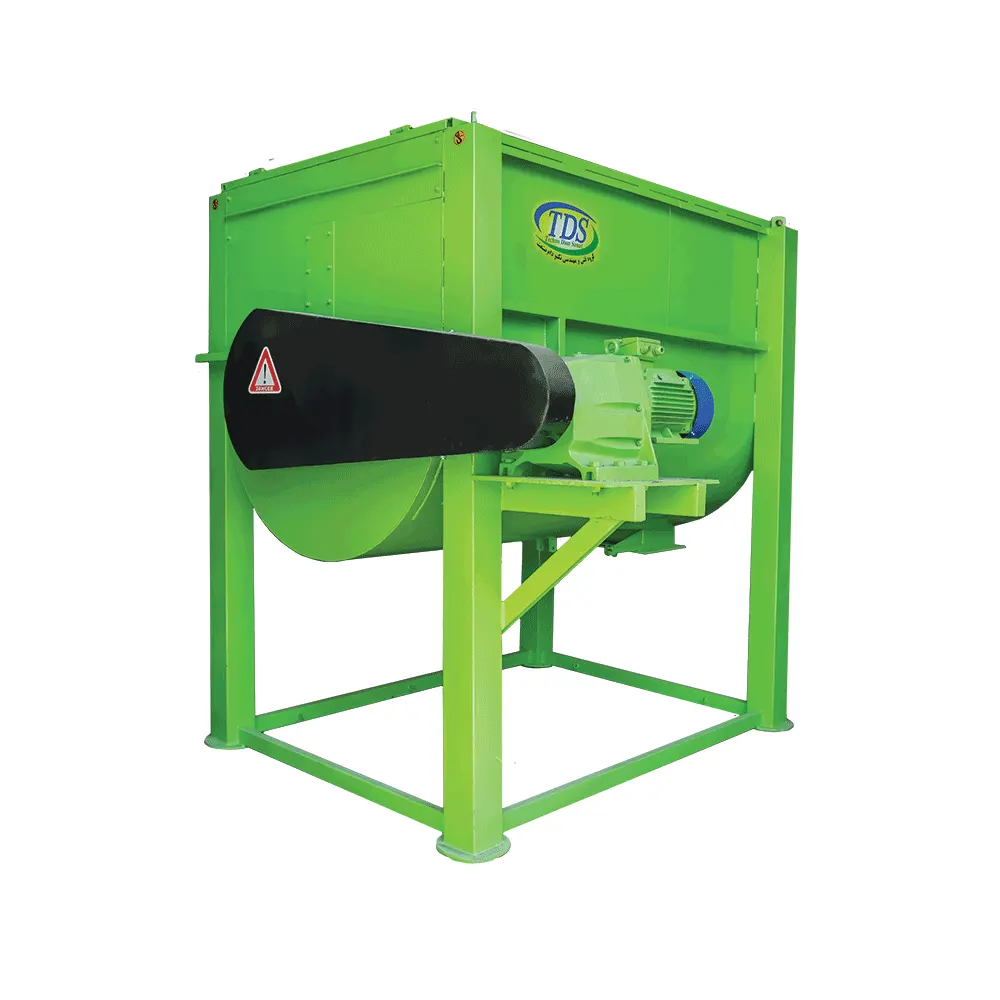
The concentrate mixer has a task that appears simple but is delicate in practice: evenly distributing components that have very different weight shares. A supplement that constitutes only a fraction of the diet percentage must be uniformly spread throughout the entire batch volume.
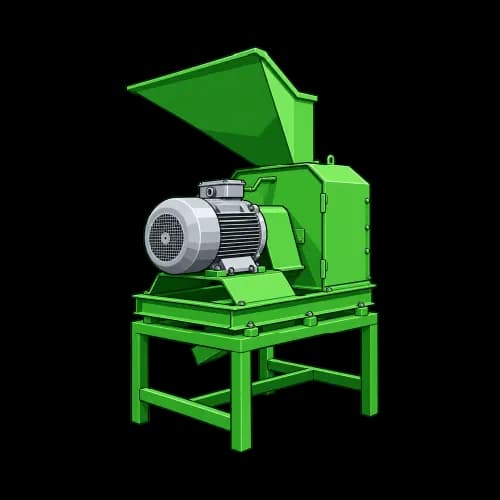
Unlike a feed mixer that also performs grinding in addition to mixing, the concentrate mixer is designed solely for mixing, and its evaluation is based on this criterion.
At a glance
- The uniform appearance of the feed is not the reason for the uniform distribution of micronutrients.
- The optimal mixing time for each machine and formula must be determined through testing.
- The fill level of the tank is one of the main factors affecting mixing quality.
- Adding the supplement on the bed of materials significantly improves uniformity.
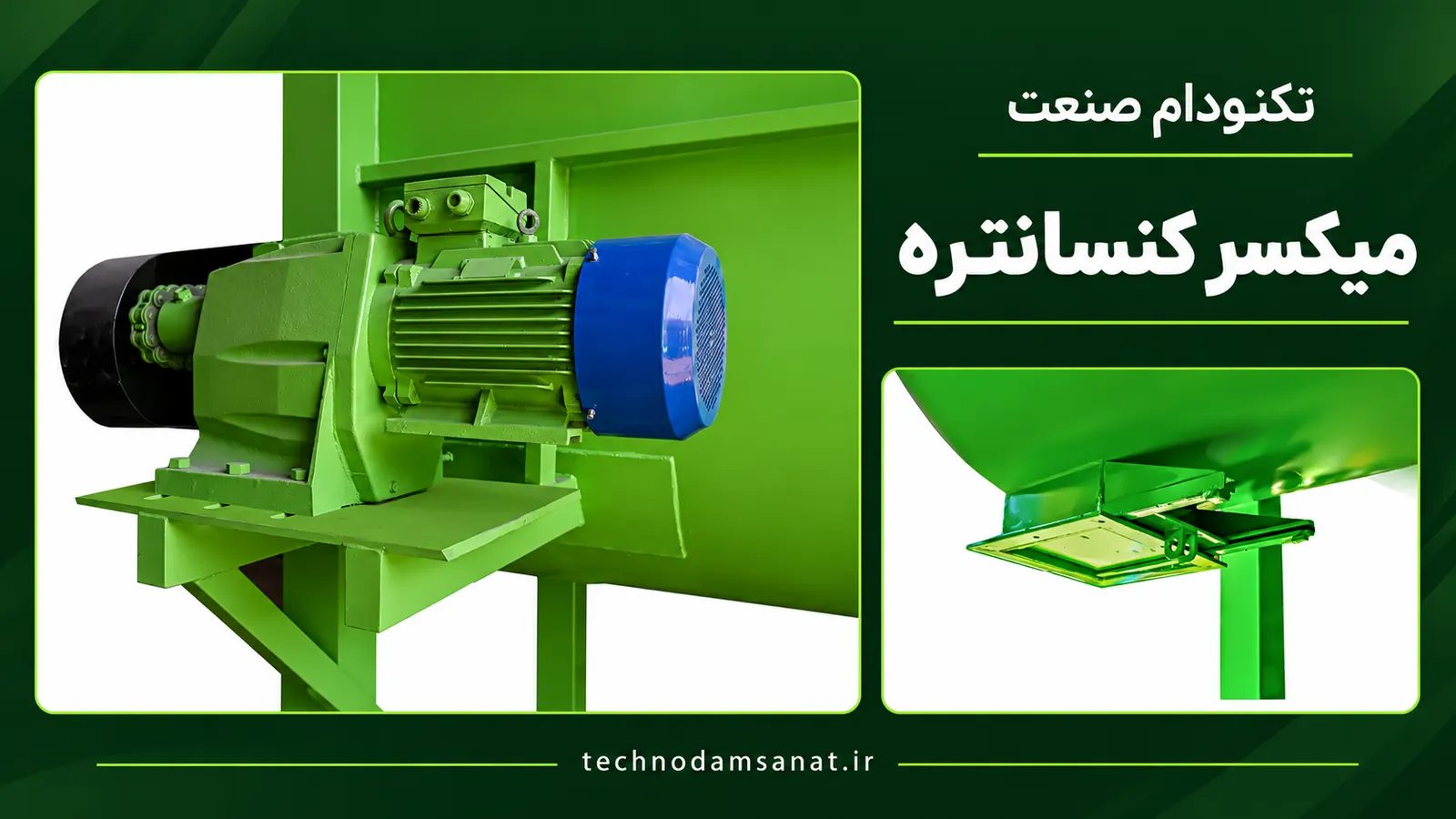
Concentrate mixer
Technical specifications
| Product type | Concentrate mixing mixer |
|---|---|
| Application | Mixing dry feed components and supplements |
| Key quality factors | Mixing time and tank fill level |
| Evaluation | Uniformity testing with sampling during discharge |
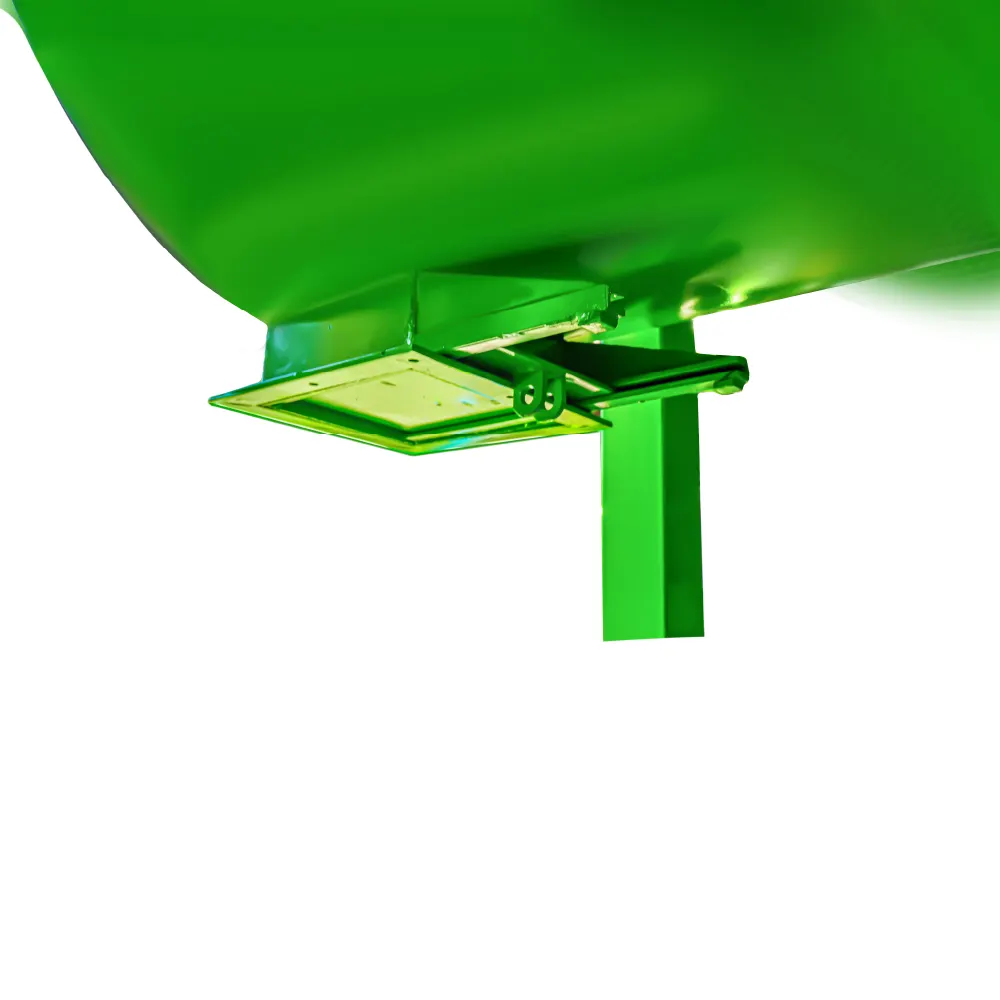
| Service | Periodic inspection of the mixing blades and corners of the tank |
| Brand | Techno Dam Sanat (TDS) |
What unit is it suitable for?
This device is suitable for units that produce concentrate on-site and require uniform distribution of supplements and micronutrients.
The capacity should be chosen according to your usual batch size; a mixer that always operates with a very low load loses the material flow pattern and does not provide the desired uniformity.
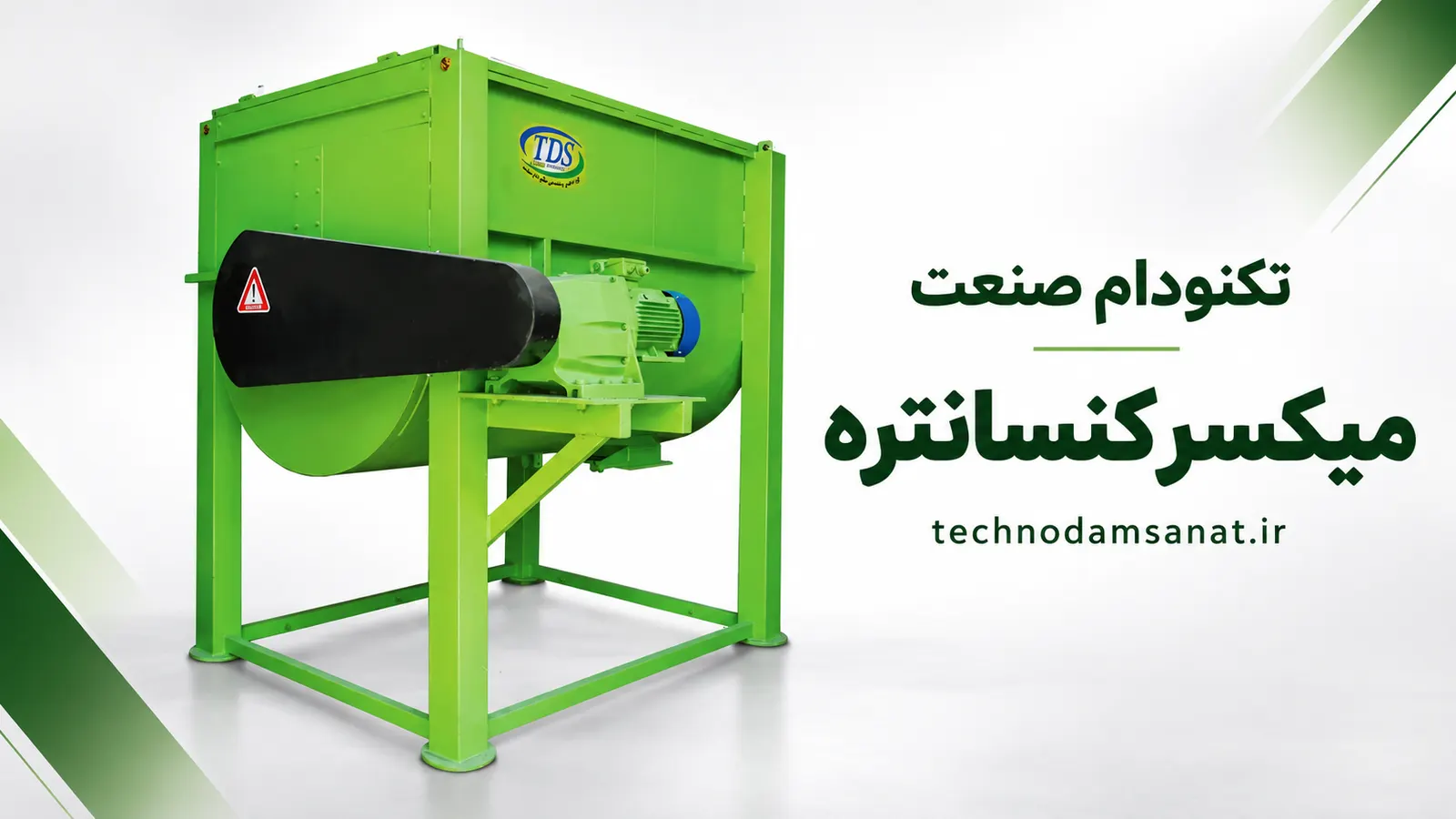
Livestock feed concentrate mixer
Features and advantages of construction
- Uniform mixing of dry components with different particle sizes and densities.
- Tank designed according to the material flow pattern.
- Mixing blades are inspectable and serviceable.
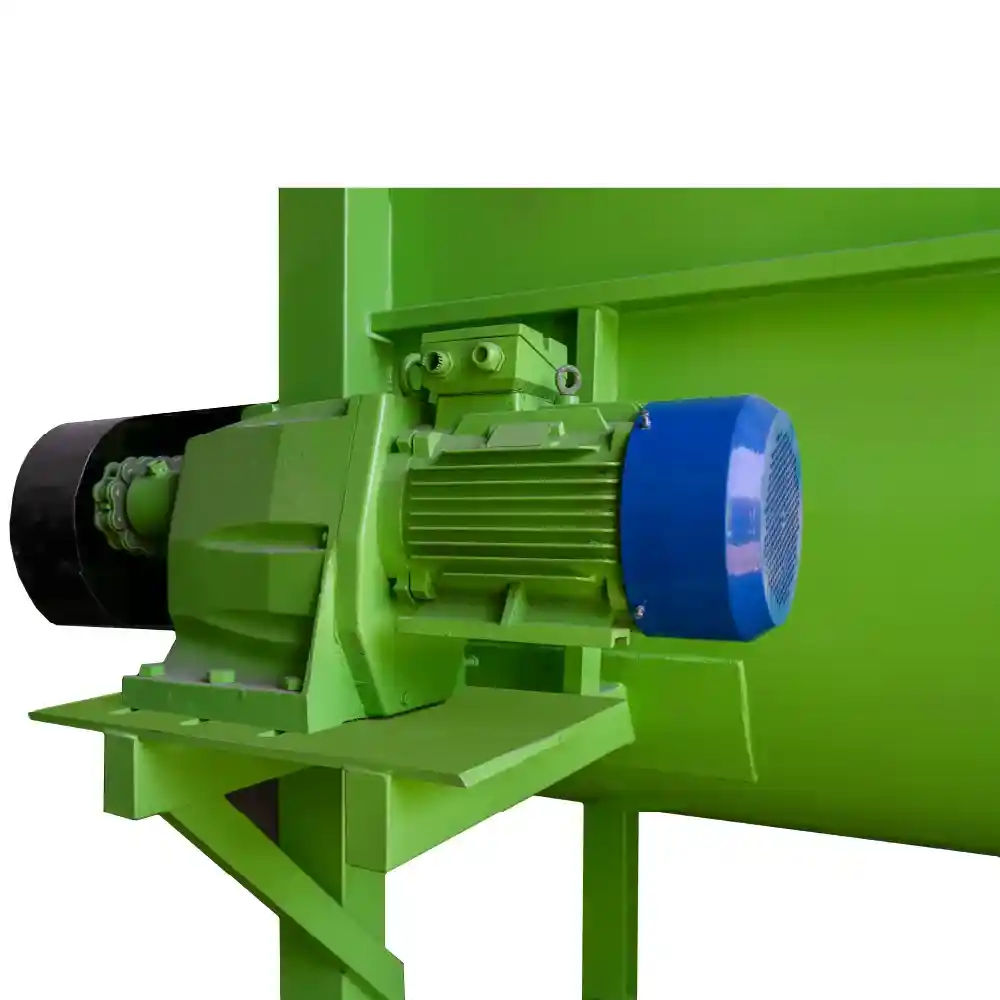
- Can be equipped with a weighing system for precise formula execution.
- Technical support for conducting mixing uniformity tests.
Check these items before purchasing
- Specify your usual batch size to determine the appropriate capacity.
- Review the concentrate formula and its smallest weight component.
- Document the order of adding components with a nutrition expert.
- Identify the installation location, electrical infrastructure, and material entry and exit paths.
- Define the uniformity testing and calibration program from the start.
Related products
Buying guide and related articles
- Animal feed concentrate mixer; uniform mixing
- Evaluation of mixer uniformity; sampling method
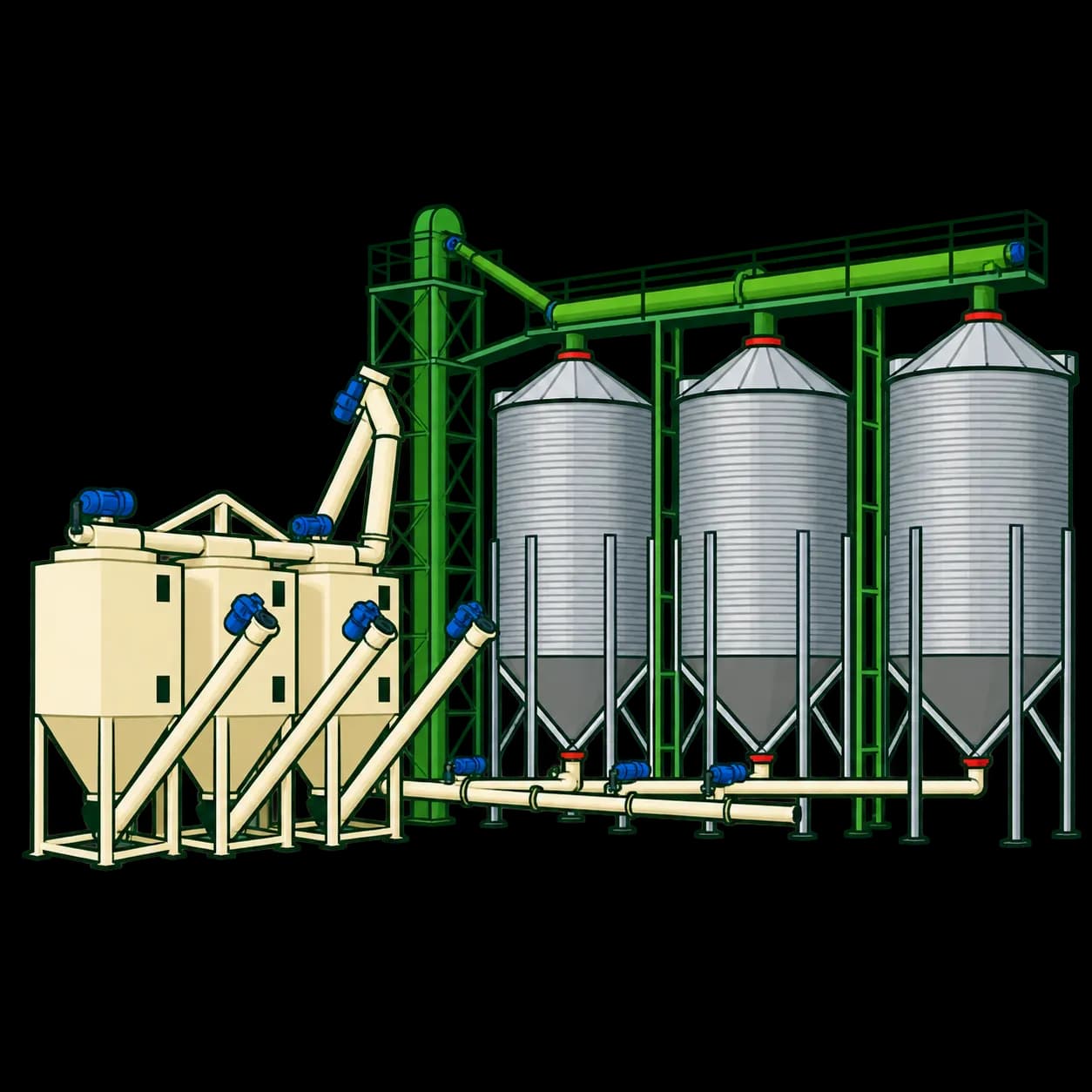
- Animal feed factory; components of the line from mill to mixer
- What is an animal feed mill? Selection guide
Frequently asked questions
How long should the mixing of concentrate be?
There is no single unit number. The optimal time depends on the machine, formula, and particle size of the components and is determined by uniformity testing.
How can I tell if the mixing is uniform?
By sampling during discharge and measuring the concentration of a key component in the samples; the less dispersion there is, the more uniform the mixing is.
What is the difference between it and a feeder mixer?
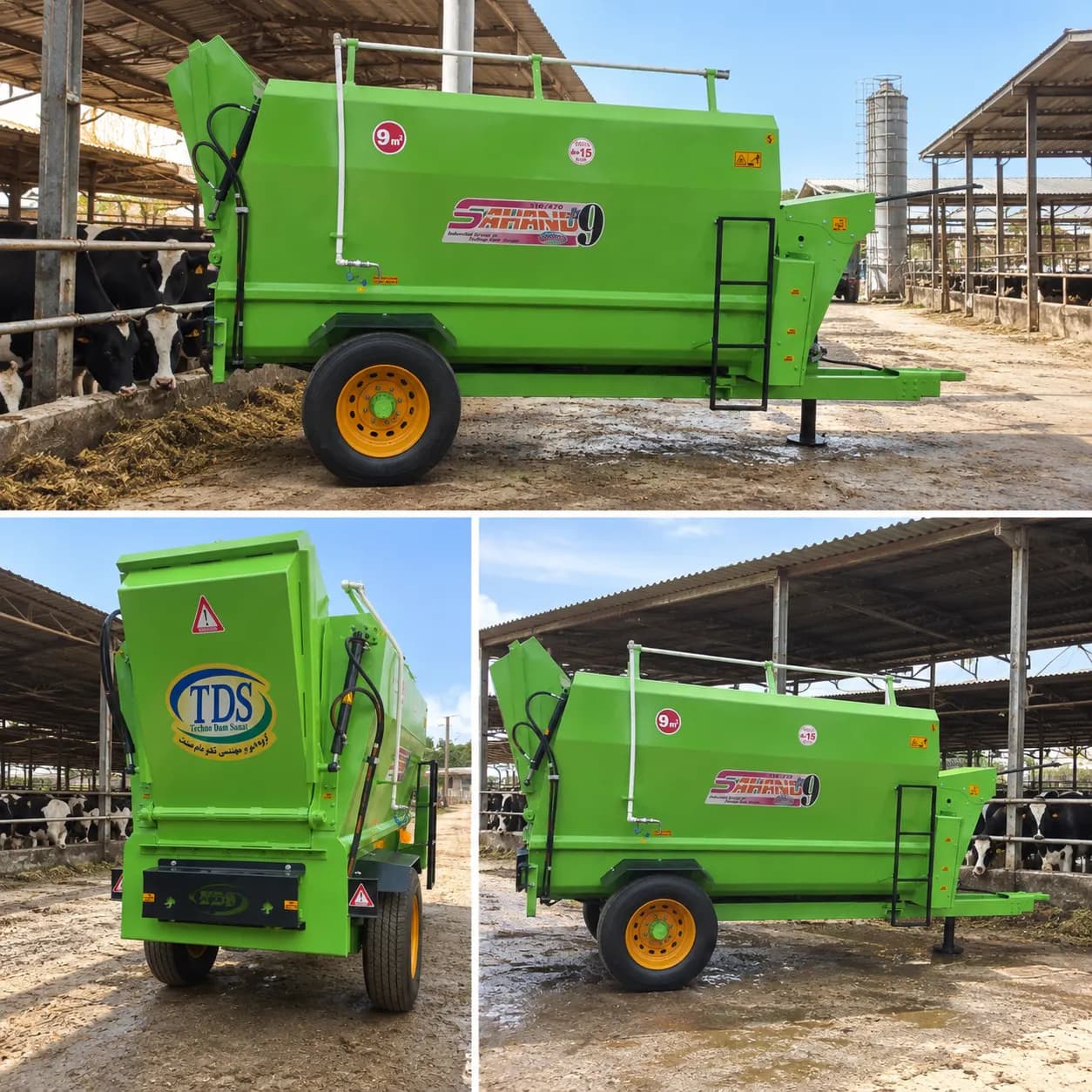
The concentrate mixer only mixes dry components; the feeder mixer, in addition to mixing, chops forage and creates a complete TMR ration.
Is increasing the mixing time always better?
No. After the optimal point, continuing to mix can cause the components to re-separate based on size and density.
How do I choose the appropriate capacity?
Based on your usual batch size, considering that the tank should operate within the effective filling range.
For capacity selection and guidance on mixing uniformity testing, contact our experts.