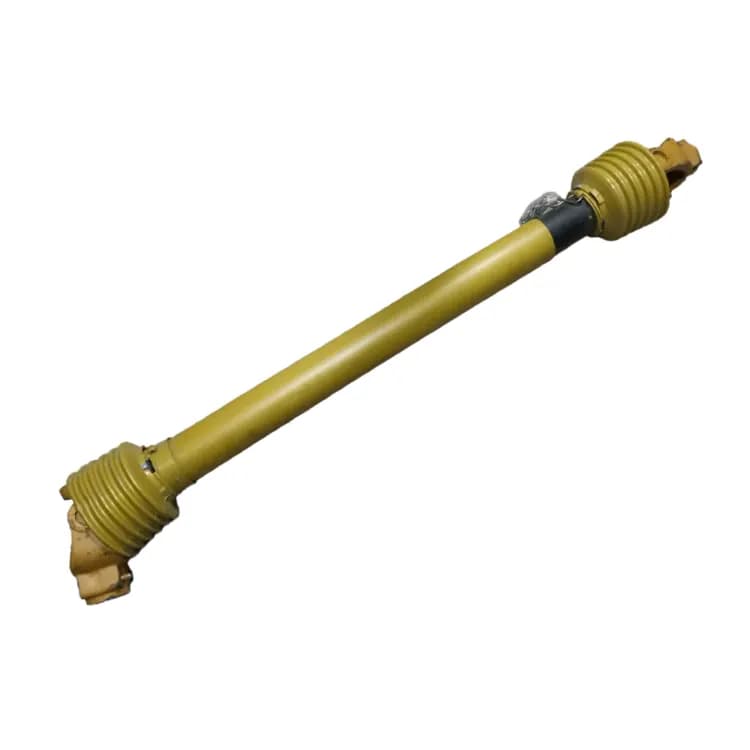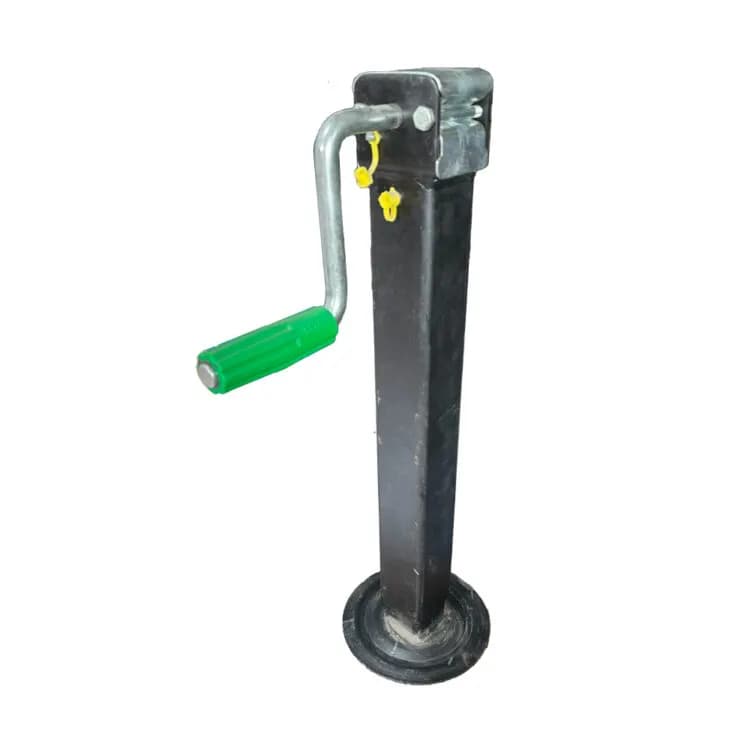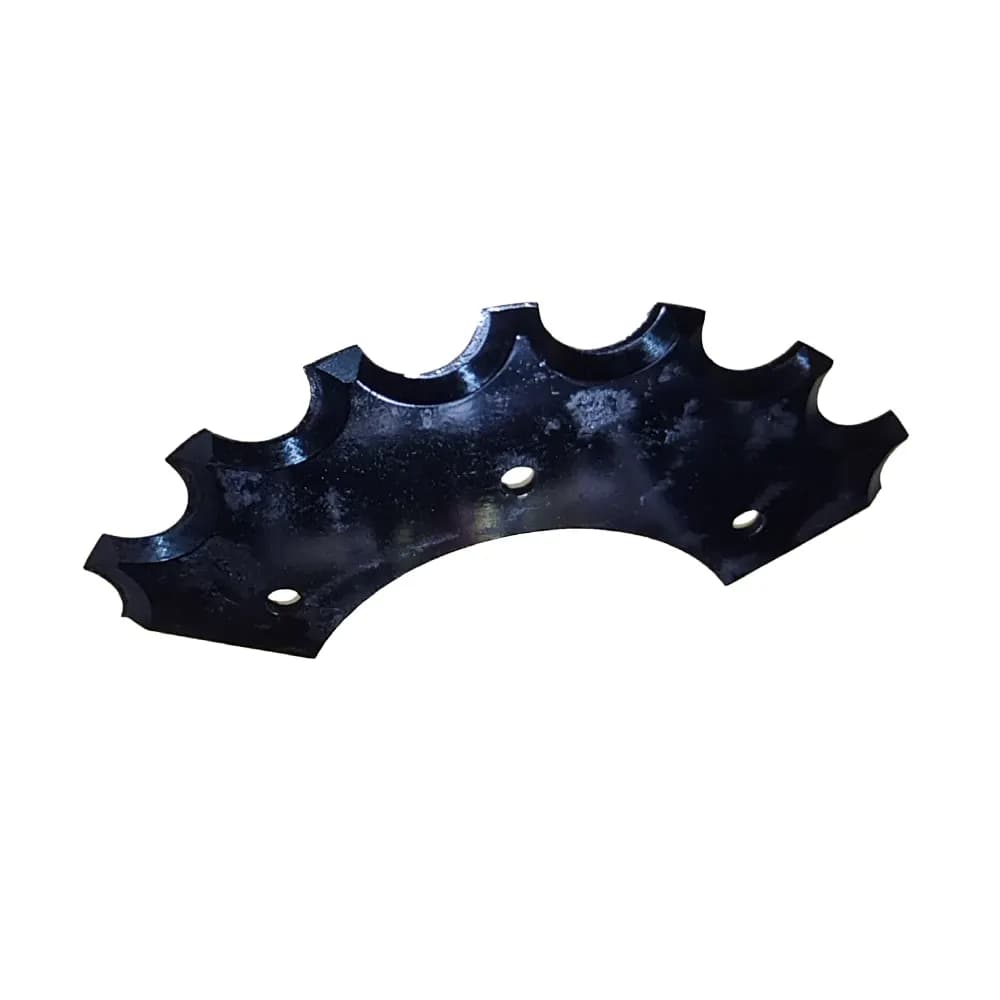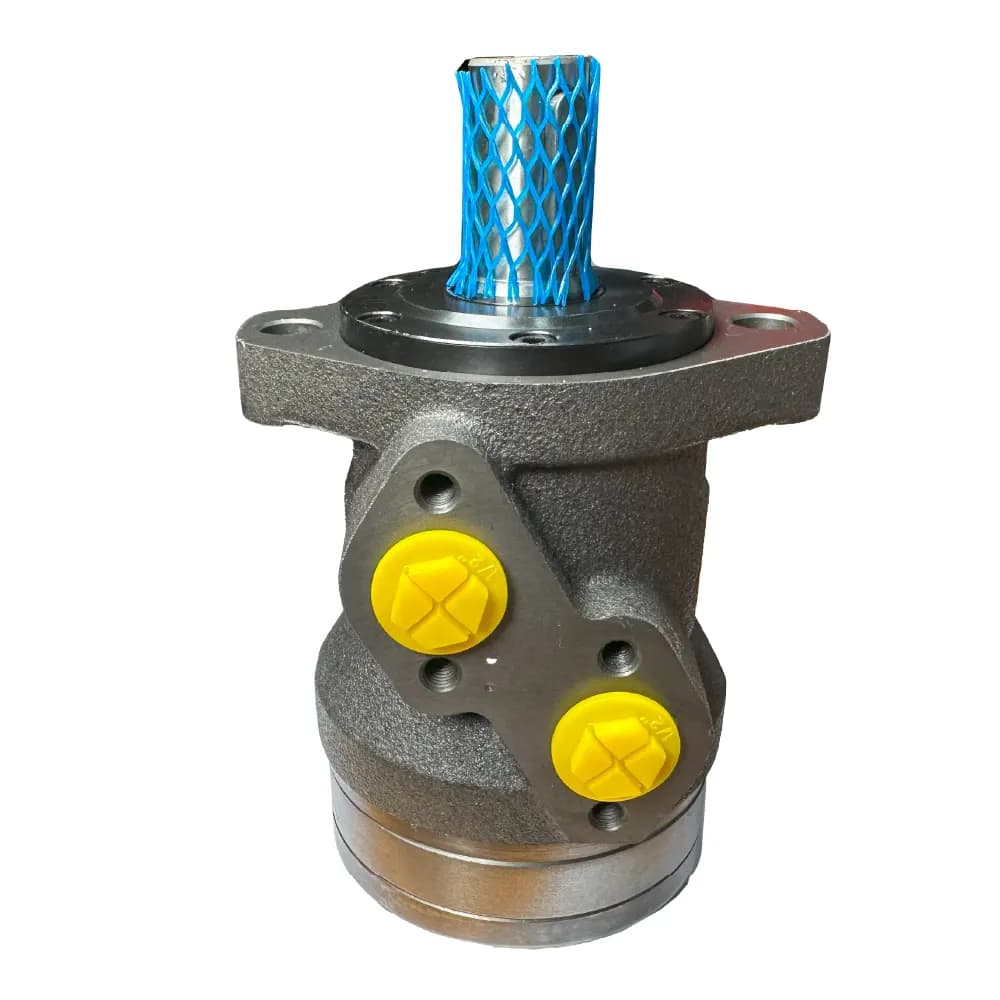


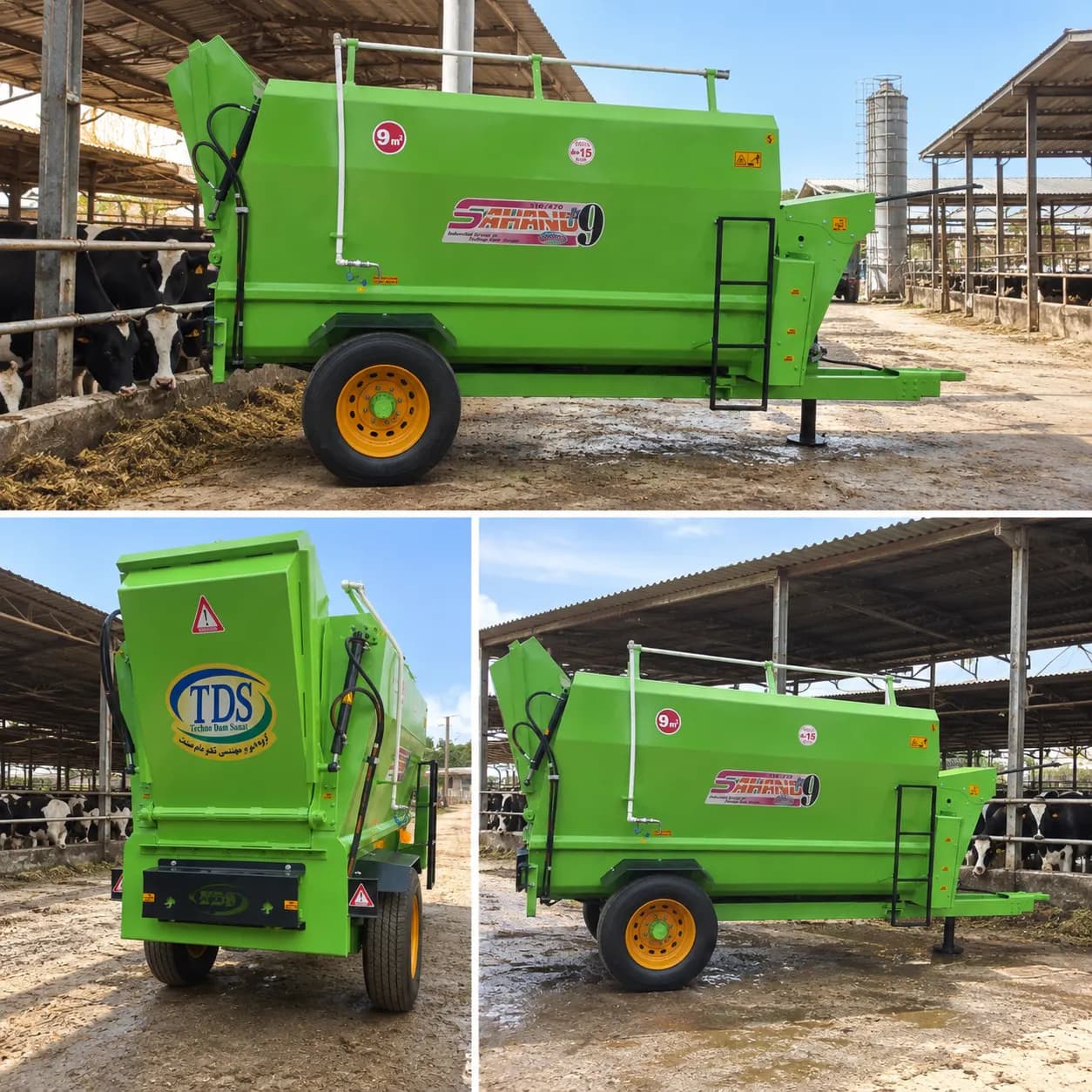
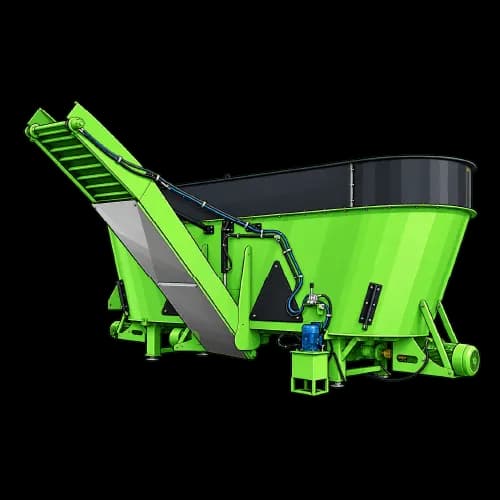
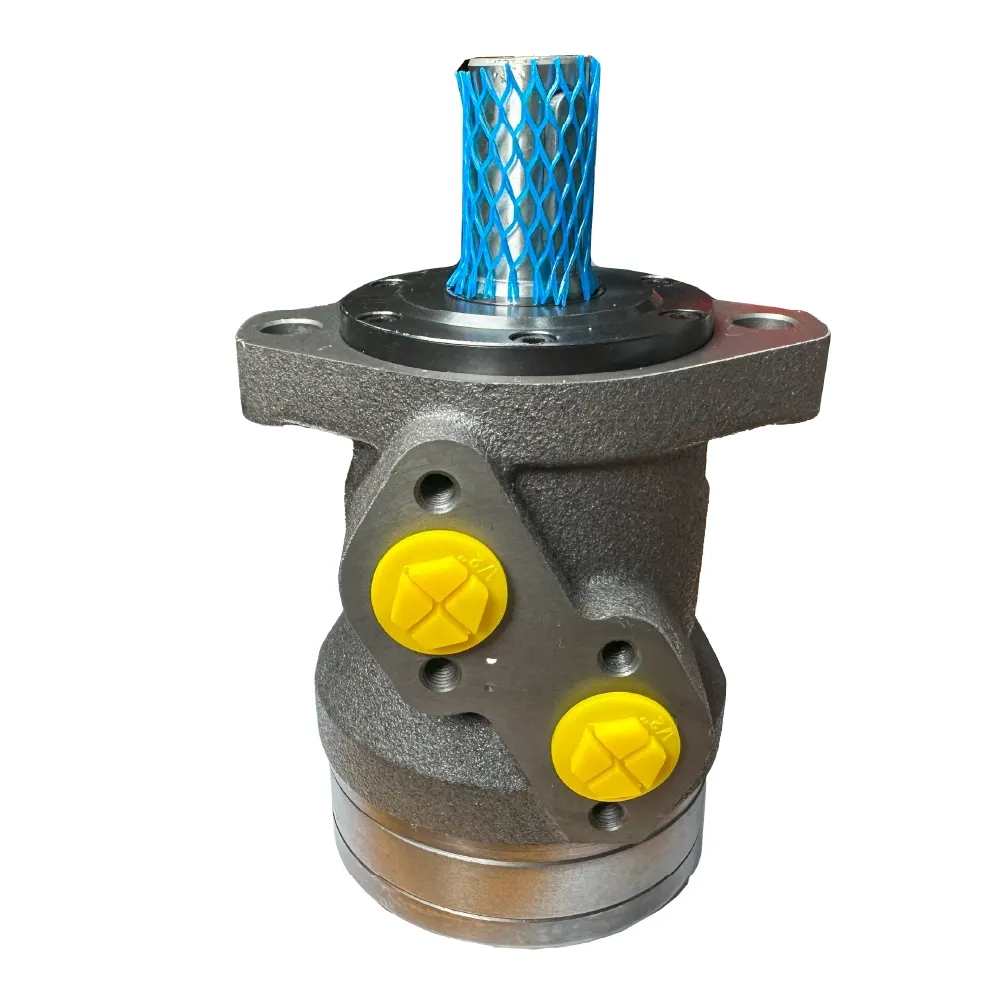
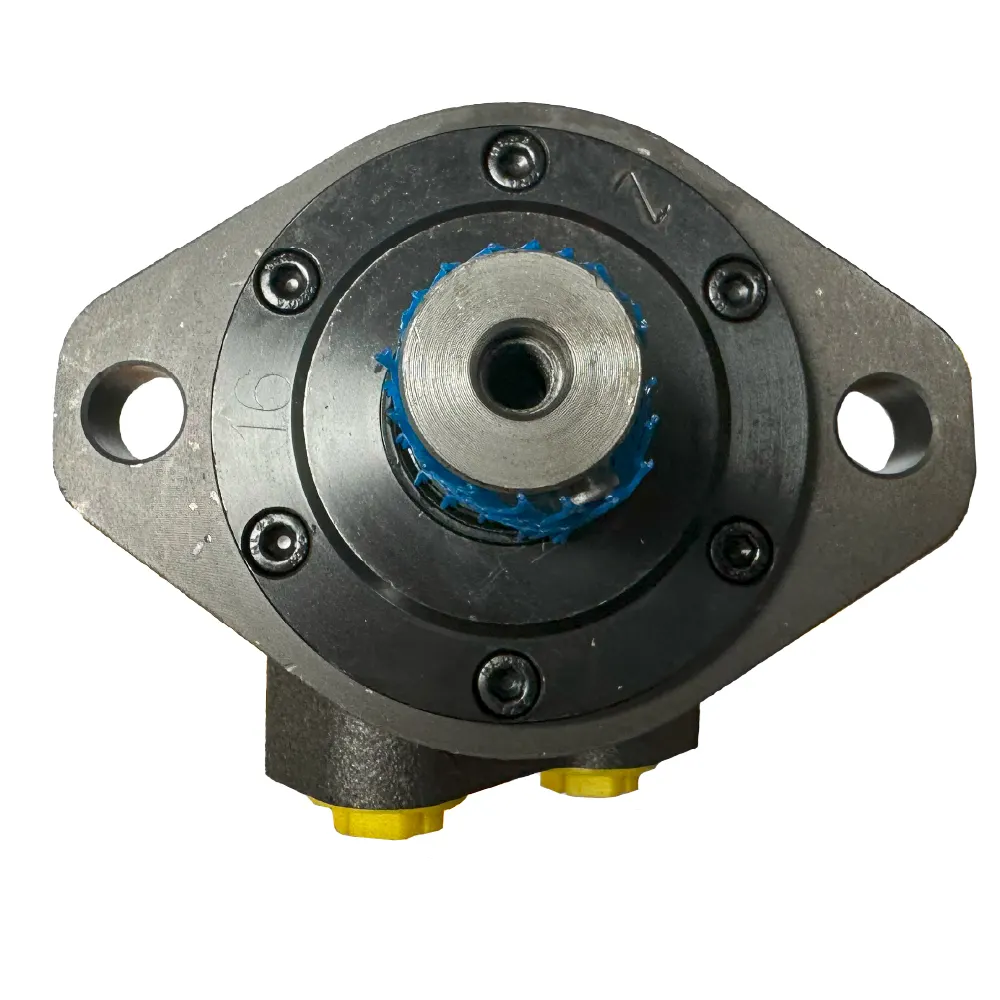
The conveyor hydro motor is the chain drive of the feeder mixer discharge system and determines the feed distribution speed in the trough.
The discharge delay is not always due to this part. The correct order of checks is: first blockage in the path, then chain tension, followed by system pressure, and finally the hydro motor.
At a glance
- Check the discharge delay first for blockage in the path and chain tension.
- Speed loss despite adequate pressure is a sign of internal leakage in the hydro motor.
- The discharge speed should be synchronized with the device's movement speed.
- Oil cleanliness is the main factor affecting the lifespan of this part.
Technical Specifications
| Part type | Conveyor hydro motor |
|---|---|
| Application | Chain drive of the discharge system |
| Function | Converting oil flow into rotational motion |
| Failure signs | Speed loss, leakage, unusual noise |
| Pre-replacement checks | Blockage in the path and chain tension |
| Brand | Techno Dam Sanat (TDS) |
What unit is it suitable for?
This part is used in the feeder mixer discharge system and in some feed transfer systems.
Irregular feed distribution along the trough is not always due to the hydro motor; damaged paddles and mismatched discharge speed with movement speed can also be causes. Before placing an order, send the model and year of manufacture of the device, the dimensions of the current part, and a clear photo of the installation site to the technical expert. The visual similarity of parts from different models is the most common cause of incorrect purchases in this field.
Features and advantages of construction
- Stable drive for the discharge conveyor chain.
- Compatible with common models after checking specifications and connections.
- Possibility of simultaneous supply of chain and related discharge system parts.
- Technical support for diagnosing the root cause of discharge delay.
Check these items before purchasing
- Inspect the discharge path for blockages and leftover feed.
- Check the tension of the conveyor chain.
- Measure the hydraulic system pressure with a gauge.
- Record the specifications engraved on the current hydro motor body.
- Identify the type of hydraulic connections and the dimensions of the mounting flange.
Related Products
Buying guide and related articles
- Feeder mixer conveyor; chain, hydro motor, and maintenance
- Pump, hydro motor, and hydraulic valve for feeder mixer
- Hydraulic system of the feeder mixer; components and maintenance
Frequently Asked Questions
Where do I start if it has been drained?
First, check the blockage in the path and the chain tension; these are the more common and much less expensive causes than replacing the hydraulic motor.
What are the signs of a faulty hydraulic motor?
Speed drop despite adequate system pressure, external leaks, unusual noises, and localized overheating.
Why is the feed not distributed evenly?
Usually due to a mismatch between the discharge speed and the movement speed of the machine or damage to the conveyor paddles.
What else should be checked during replacement?
The condition of the chain, gears, and cleanliness of the discharge path; installing a new part in a high-resistance path shortens its lifespan.
What information is needed for ordering?
Specifications on the body, type of connections, flange installation dimensions, and model of the device.
To select the appropriate part and investigate the cause of slow discharge, please send us a description of the issue and a photo of the installation site.