

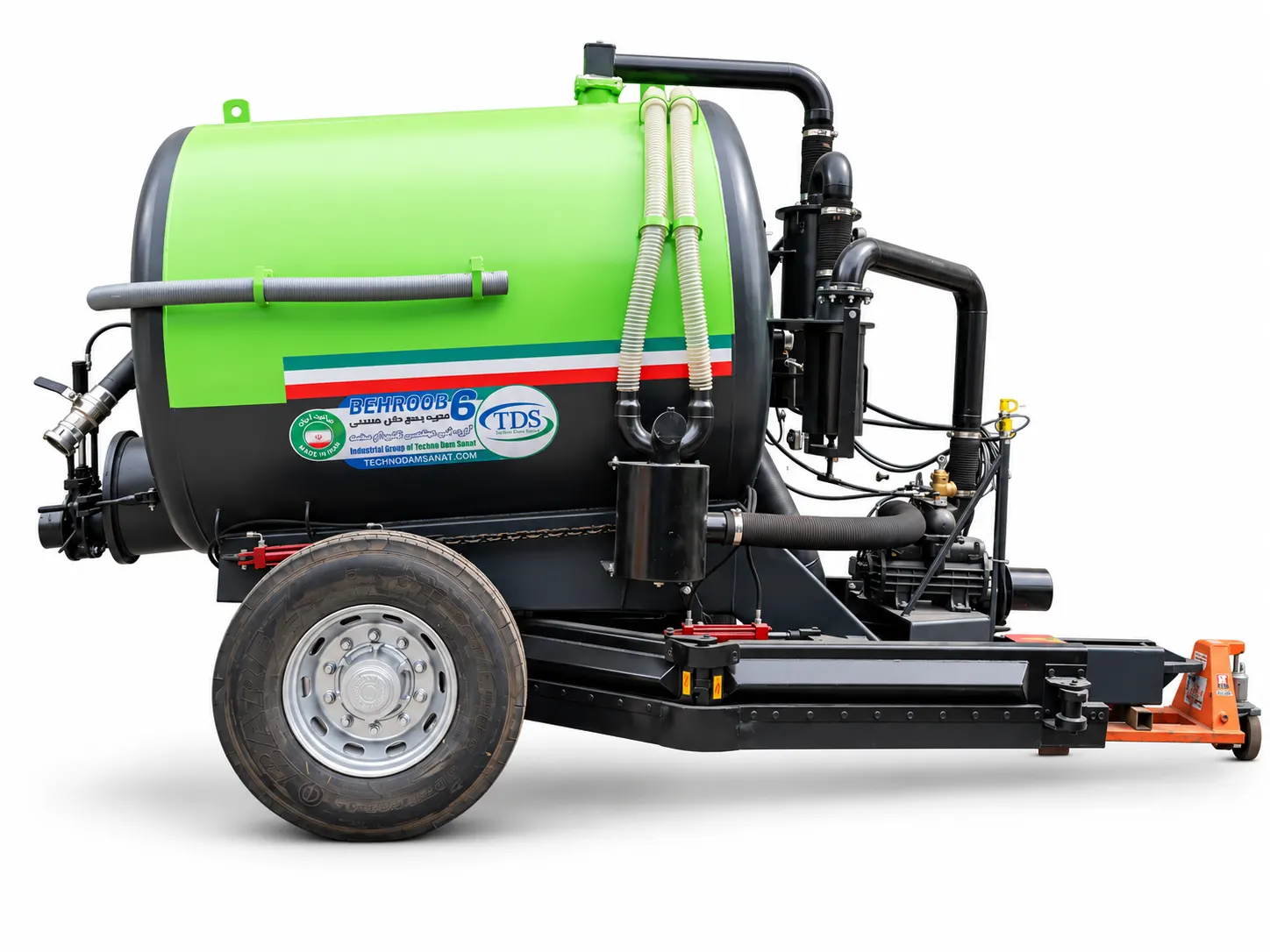
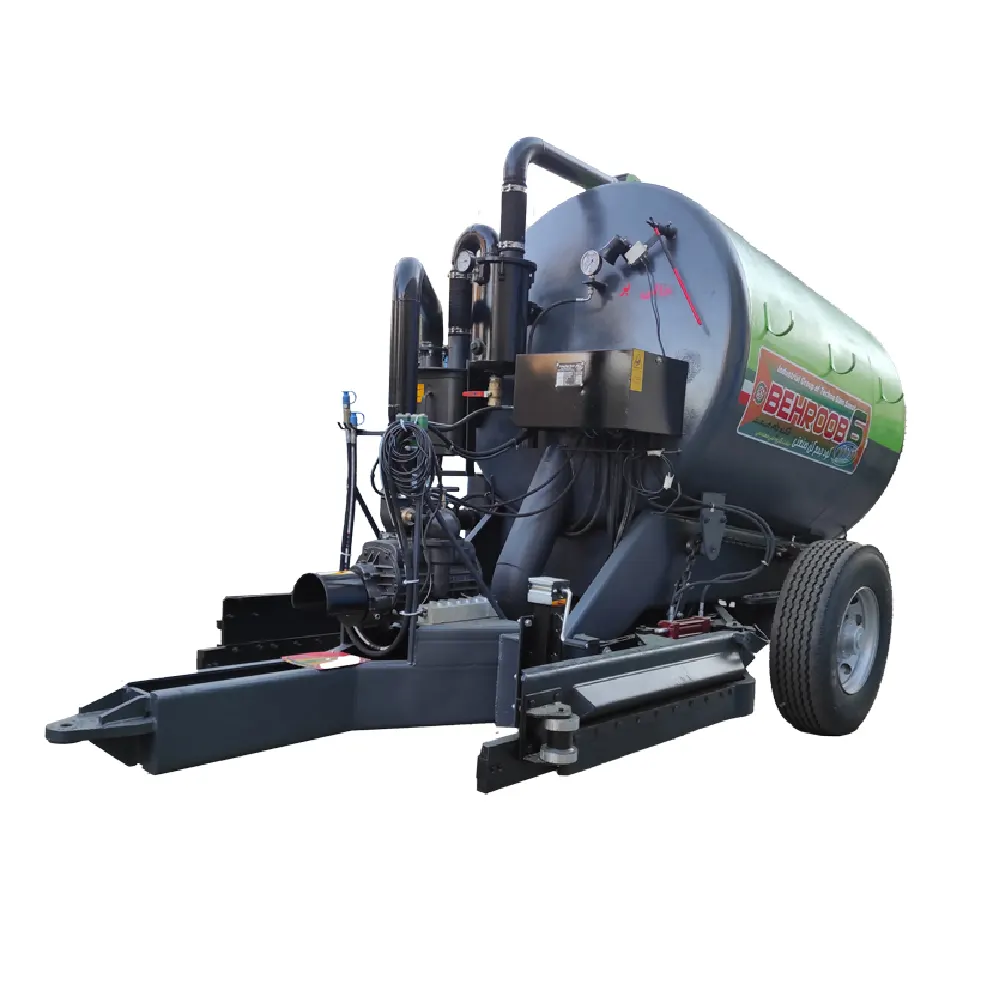
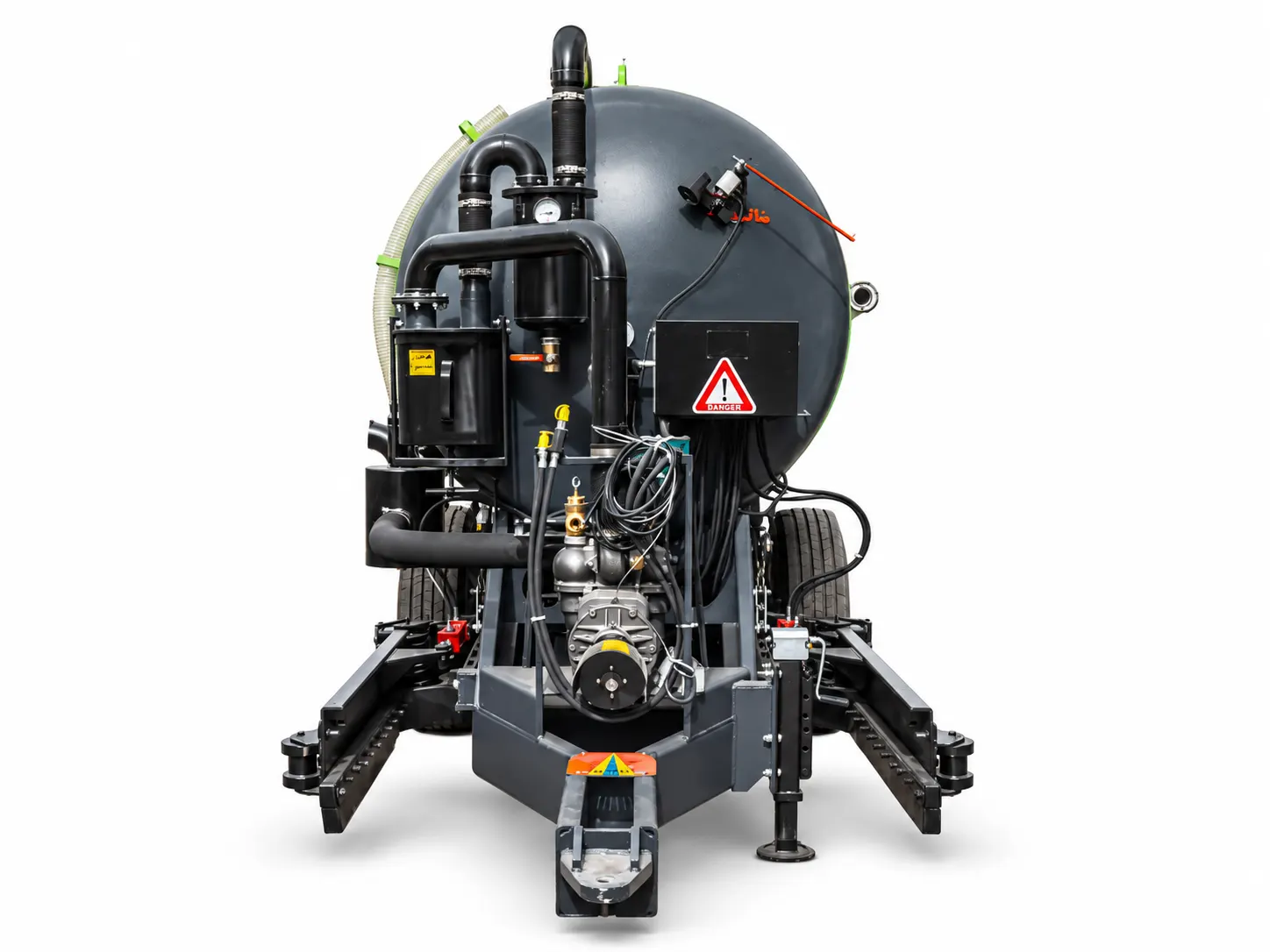
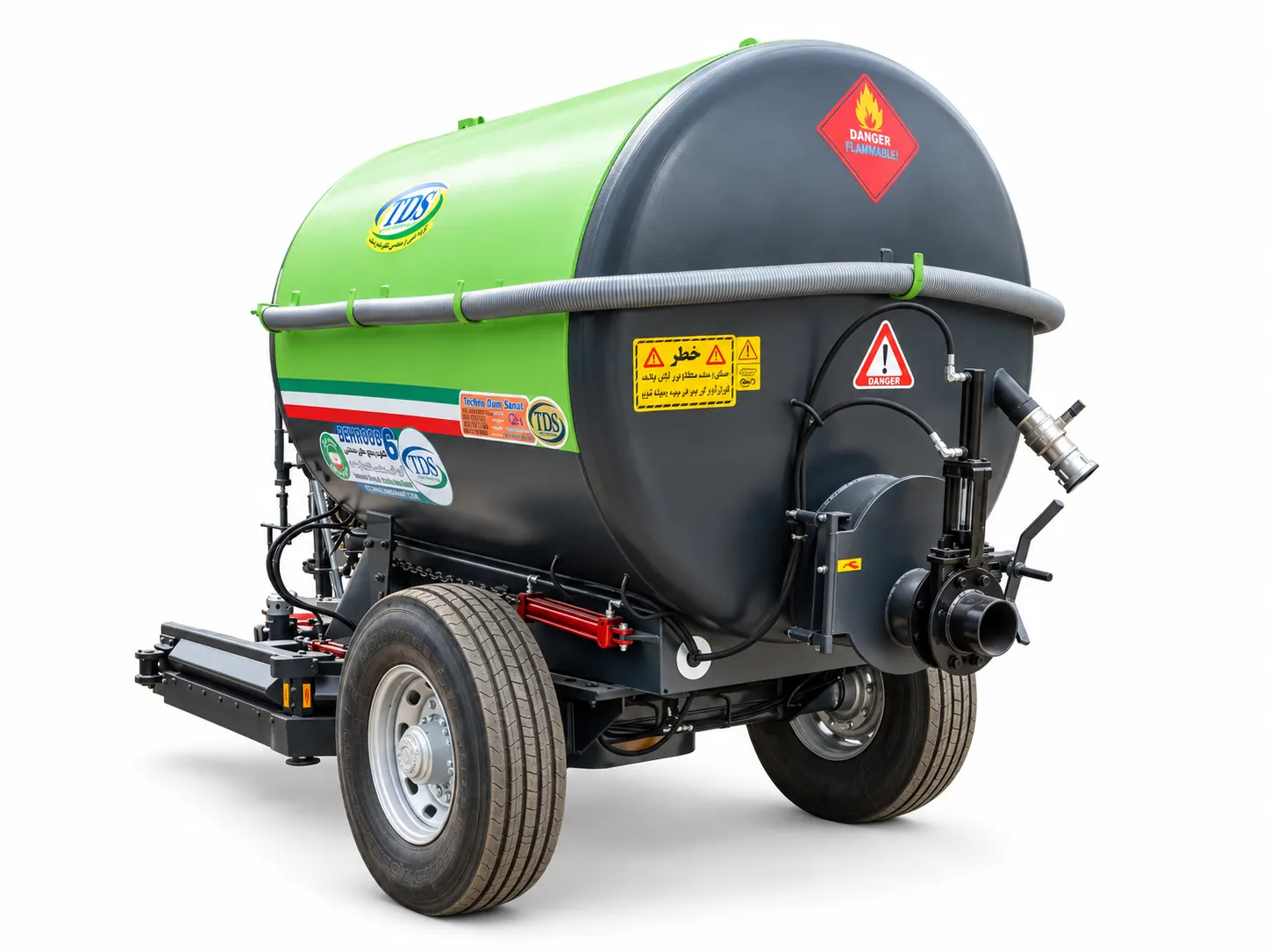
Dairy Manure Scraper not only cleans the aisle; it controls bedding moisture, floor slipperiness, and microbial load in the environment. An aisle that is regularly cleaned reduces the risk of hoof damage and environmental issues for the udder.
The right choice starts with three numbers: aisle length, width, and daily manure volume. These three define the range of possible options.
At a glance
- Aisle length is the main factor determining the type and capacity of the system.
- The quality and leveling of the aisle floor affect the lifespan of the blade more than the type of machine.
- The location and capacity of the discharge must be determined simultaneously with the selection of the machine.
- An emergency stop button must be accessible, and guards for moving parts are a safety requirement.
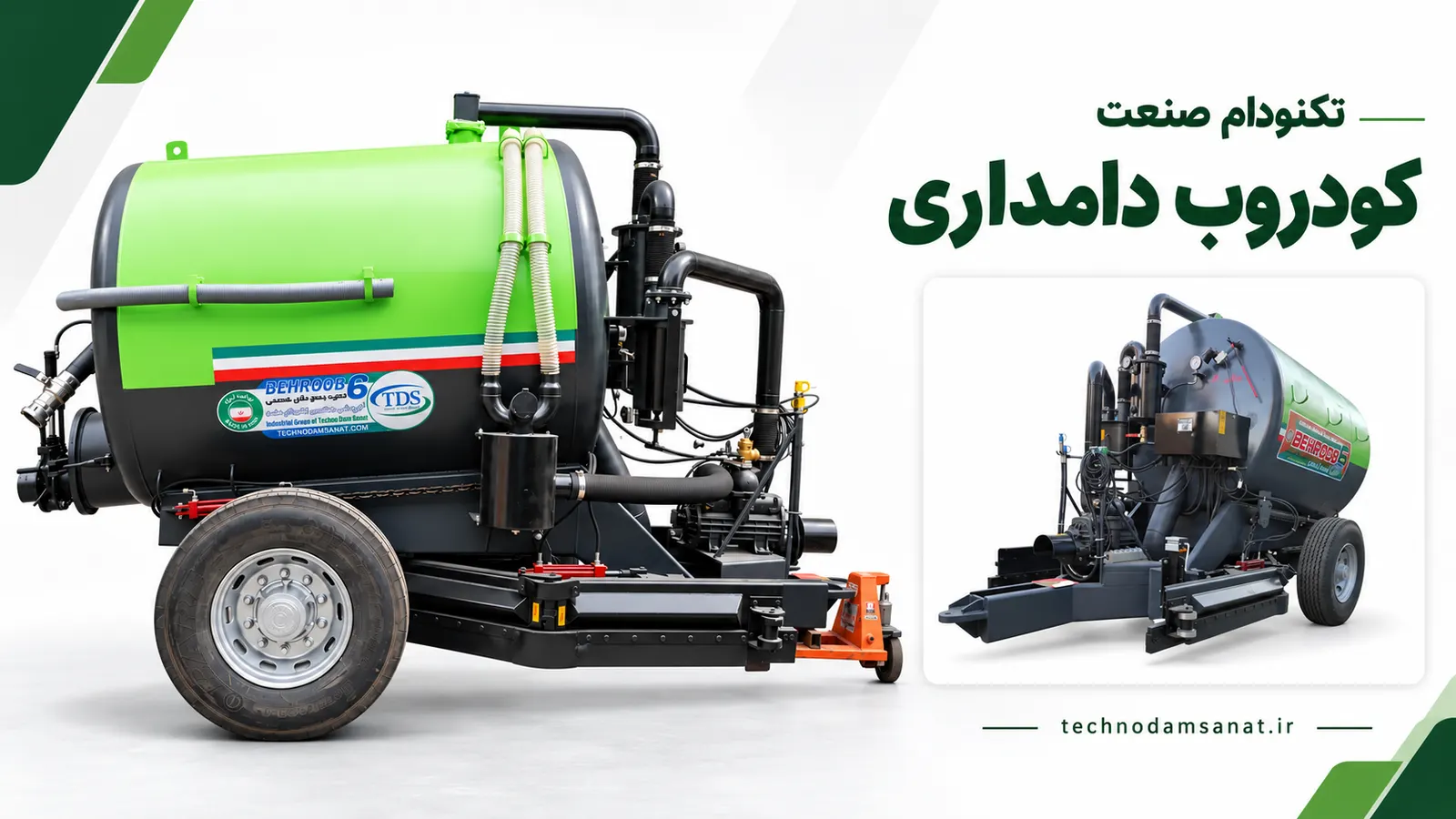
Livestock Feed Additive
Technical Specifications
| Product Type | Aisle manure collection system |
|---|---|
| Application | Regular cleaning of the dairy barn aisle |
| Selection Criteria | Aisle length, width, and daily manure volume |
| Main Components | Blade, pulling system, motor and gearbox, control |
| Safety | Emergency stop button and guards for moving parts |
| Brand | Techno Dam Sanat (TDS) |
What is the application and suitability?
This system is suitable for units that have manure aisles and want to move cleaning from manual and irregular to automated.
Before purchasing, check the condition of the aisle floor. An uneven or cracked floor significantly shortens the blade's lifespan and reduces cleaning quality; repairing the floor is usually less costly than frequent blade replacements.
Features and Advantages of Construction
- Regular and programmable aisle cleaning throughout the day and night.
- Blade with uniform contact across the entire width of the aisle.
- Pulling system suitable for aisle length and manure volume.
- Can be equipped with an emergency stop button and end-of-path sensor.
- Supply of spare parts and service by Techno Dam Sanat.
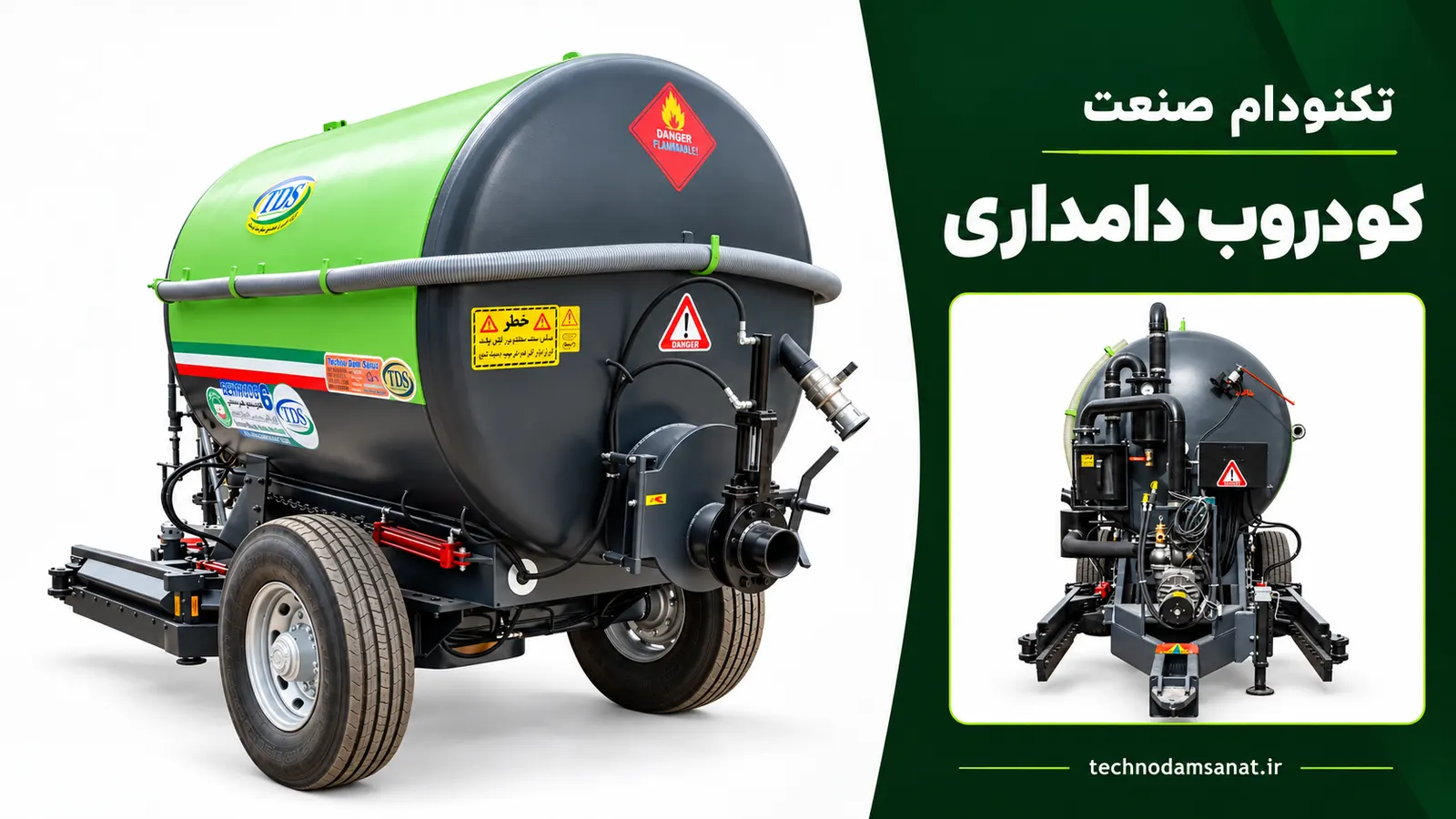
Livestock Feed Additive
Check these items before purchasing
- Specify the length and width of the aisles and the daily manure volume produced.
- Determine the optimal cleaning interval based on bedding type and hoof condition of the herd.
- Check the condition of the aisle floor and include repairs in the plan if necessary.
- Specify the discharge location and capacity of the manure transfer system.
- Consider the electrical infrastructure and the location for the emergency stop button installation.
Related Products
Buying Guide and Related Articles
- Device Collecting livestock manure; types of manure spreaders
- Manure management; from spreaders to storage
- Maintaining livestock manure spreaders; blade, chain, and aisle floor
- Comprehensive guide to livestock equipment; from feeding to ventilation
Frequently asked questions
Is a chain spreader better or a cable one?
For long aisles and heavy loads, the chain system is usually more stable; for medium aisles, the cable system is a suitable option with lower costs and easier installation.
How many times a day should the spreader operate?
It depends on the volume of manure, type of bedding, and livestock density. The practical criterion is to keep the standing area of the livestock dry and clean for most hours of the day.
Should the aisle floor be repaired before installation?
Yes. An uneven or cracked floor shortens the blade's lifespan and reduces cleaning quality.
What is the maintenance program?
Daily inspection of cleaning quality and noise, weekly control of chain or cable tension, and monthly greasing and checking of gearbox oil.
What information is needed for a quote?
Length and width of the aisle, number of aisles, approximate daily manure volume, floor condition, and discharge location.
To choose a system suitable for the length of your aisle and manure volume, share this information with our experts.