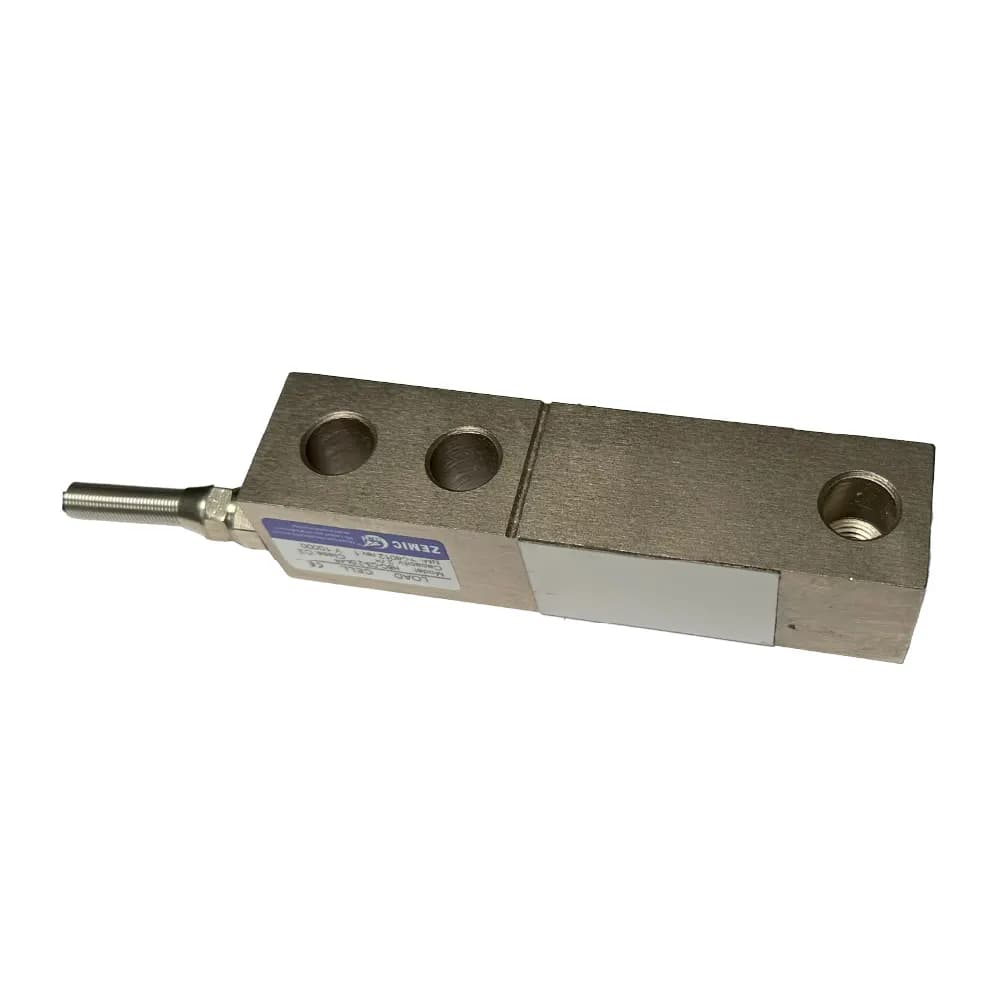


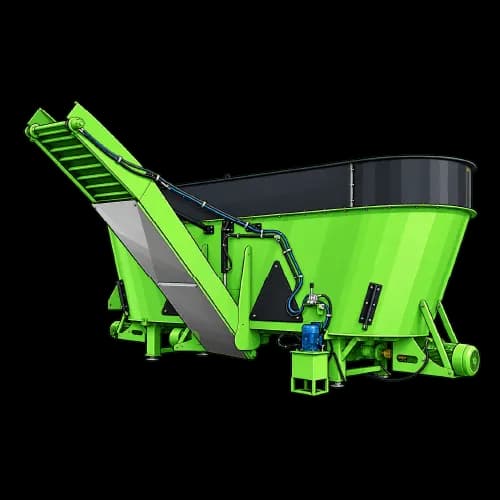
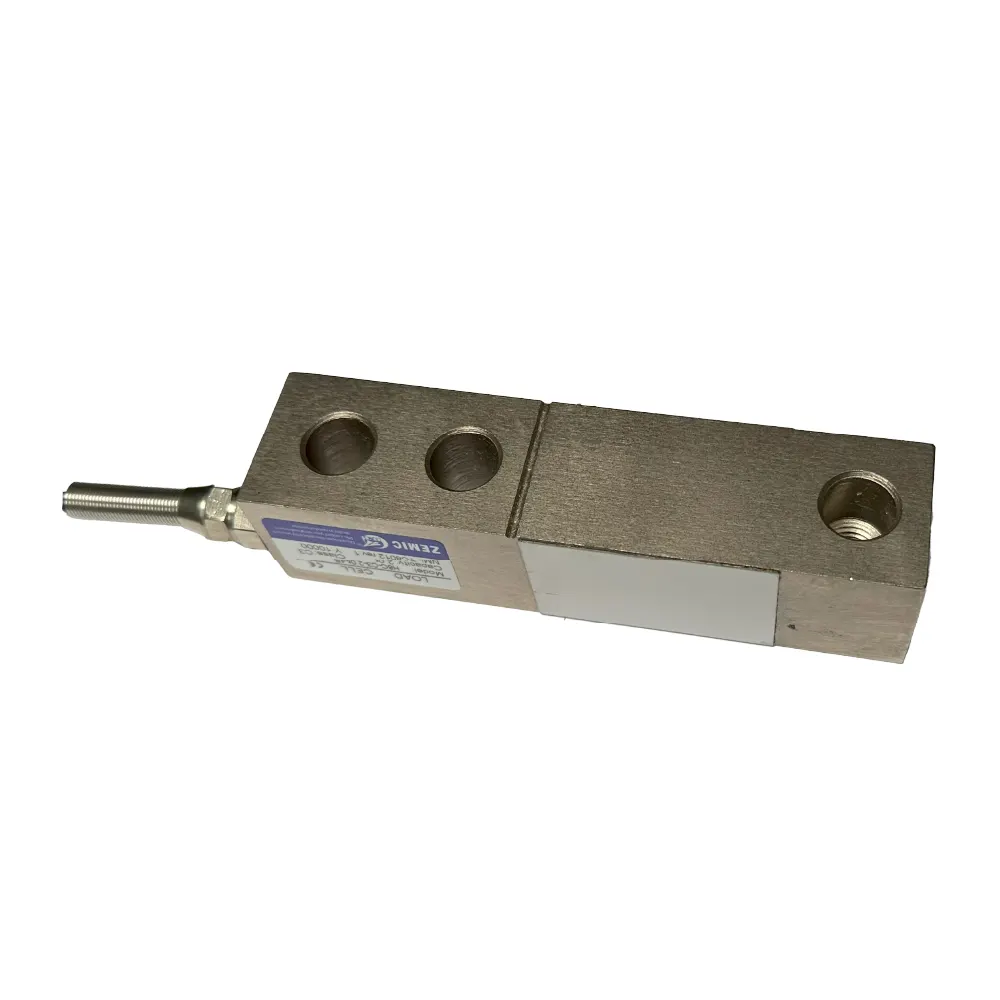
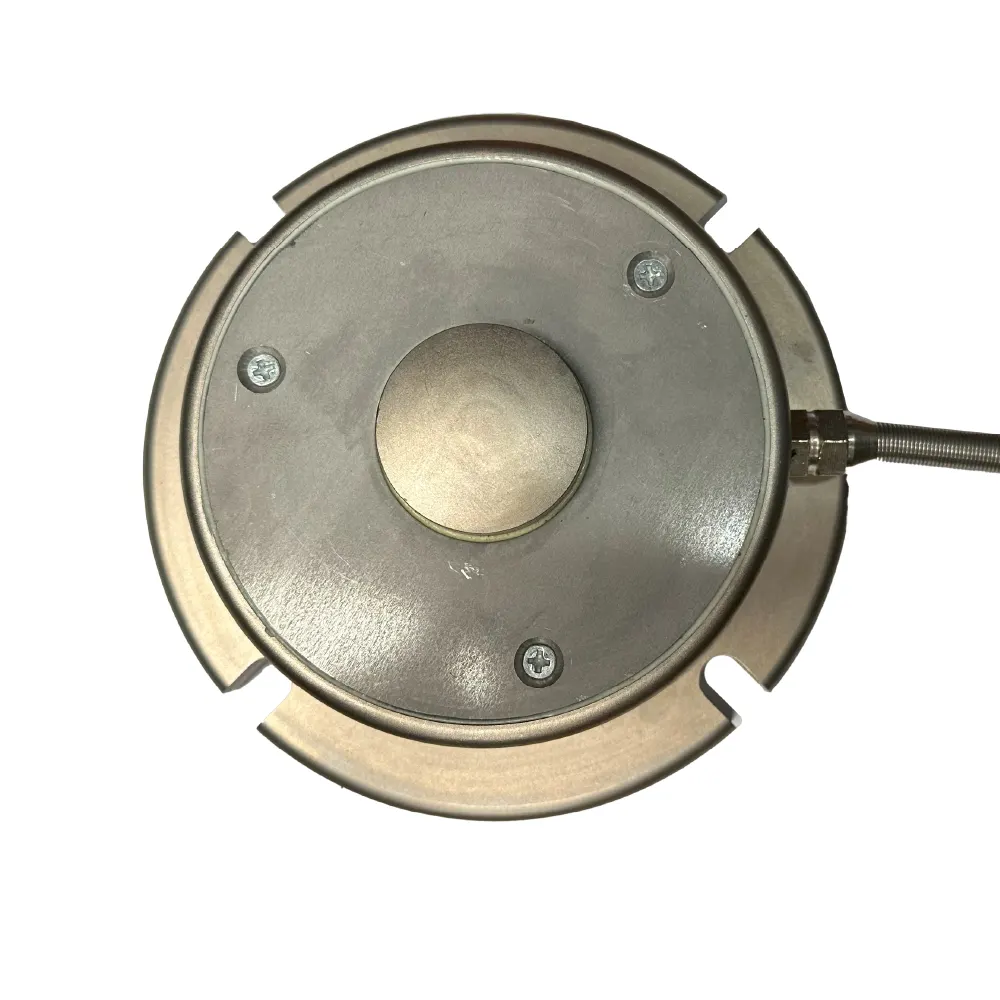
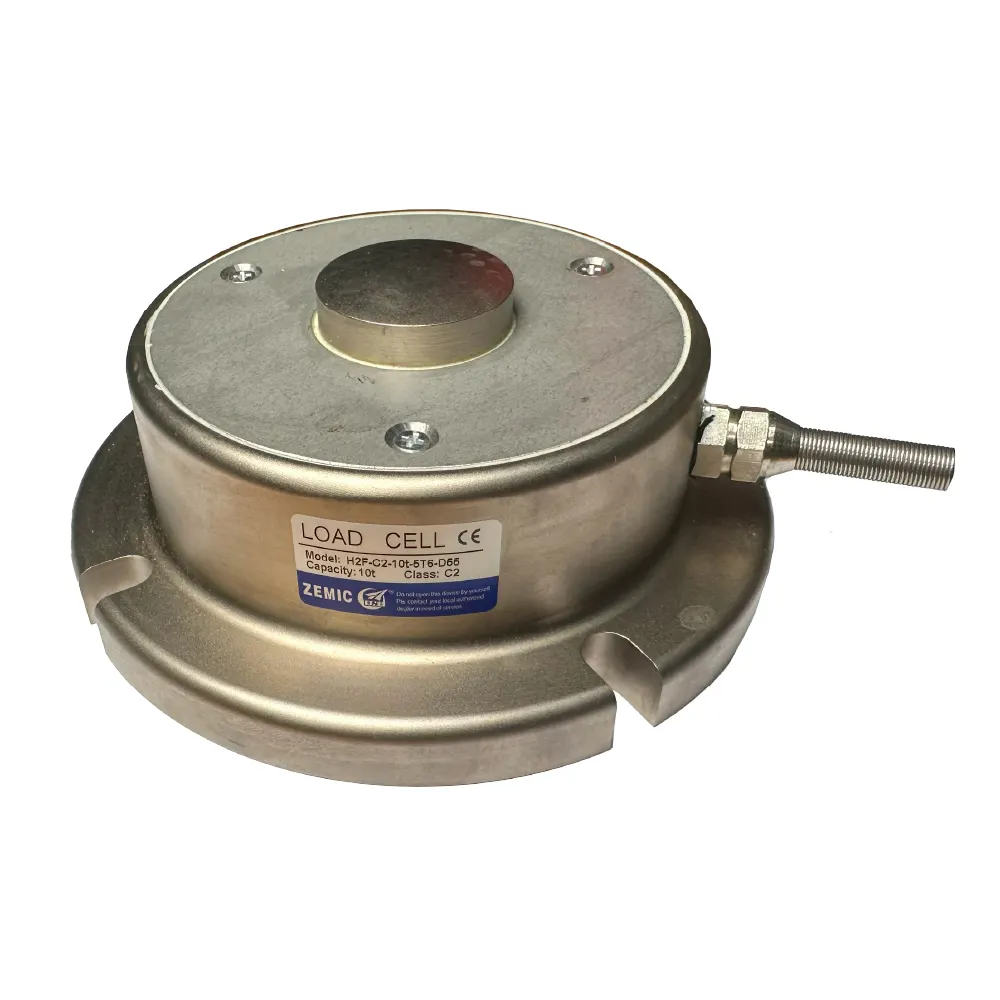
The feeder mixer load cell measures weight, and the accuracy of the entire weighing system depends on it and how it is installed. A point that is often overlooked is that a large portion of errors attributed to load cells are actually installation errors.
The load cell must receive force only in one direction. Any lateral force, any additional contact, and any mechanical binding will change the reading without the load cell being faulty.
At a glance
- The capacity should be selected with a safety margin for impact loads.
- Lateral force and additional contact are the main sources of errors attributed to load cells.
- The cable should not be stretched or crushed and must be kept away from the power cable.
- After each replacement, multi-point calibration with a reference weight is necessary.
Technical Specifications
| Type of part | Weighing load cell |
|---|---|
| Application | Feeder mixer weighing system and scales |
| Selection criteria | Capacity, type, and protection class |
| Installation note | Apply force only in the designed direction |
| Calibration | Multi-point with a valid reference weight |
| Brand | Techno Dam San'at (TDS) |
What is its application and suitable unit?
This part is used in the weighing system of feeder mixers and livestock scales, and the accuracy of the ration formula execution depends on it.
Before replacing the load cell, check the cleanliness of the installation site, leveling, absence of lateral contact, and the integrity of the cable and connections; these factors are the cause of a large portion of errors.
Features and advantages of construction
- Various capacities suitable for the weight of the device when full.
- Appropriate protection class for humid and dusty livestock environments.
- Available with seating and special connections.
- Technical support for calibration and fault detection.
Check these items before purchasing
- Specify the weight of the device when completely full and the number of load cells.
- Record the specifications and capacity of the current load cell from its body.
- Check the type of seating and installation method.
- Perform a corner test with a fixed weight to identify any suspicious load cells.
- Check the condition of the cable and the sealing of the junction box.
Related Products
Buying guide and related articles
- Feeder Mixer Load Cell; Calibration and Weighing Errors
- Scales and Feed Weighing System; Load Cell and Display
- Feeder Mixer Display and Digital Scale; Troubleshooting
Frequently Asked Questions
How do I know which load cell is faulty?
By corner testing: Place a specific weight near each load cell and compare the readings. A significant difference at one point raises suspicion about that load cell or its support point.
How do I choose the load cell capacity?
Divide the weight of the device when full by the number of load cells, with a safety margin for impact loads.
Can I just replace one?
Technically it is possible, but the new load cell must match the capacity and output specifications of the others, and a complete calibration must be performed.
Does washing damage the load cell?
Direct high-pressure water on the load cell and junction box can be damaging; these points should be protected during washing.
What is needed for ordering?
The capacity and specifications of the current load cell, quantity, type of seating, and model of the device.
To select the appropriate load cell and for calibration guidance, share your weighing system specifications with our experts.